General
12 November 20268 min readCarbon monoxide has no smell, no colour and no warning, and it can make a pilot feel merely tired before it makes them unable to decide. Here is how it reaches a piston-single cabin, what the NTSB and FAA say about it, and a five-minute habit that catches it.
carbon monoxideIMSAFEexhaust systemcabin heatpreflightmaintenanceKenya
Student pilots
11 November 202610 min readKenya's official weather network barely reaches past six aerodromes. Everywhere else, the only real-time picture is whatever a pilot who flew there is willing to say. Here is why almost nobody says it, and the habit that fixes it in fifteen seconds.
PIREPAIREPweather reportingMETARpreflightflight trainingKenya
General
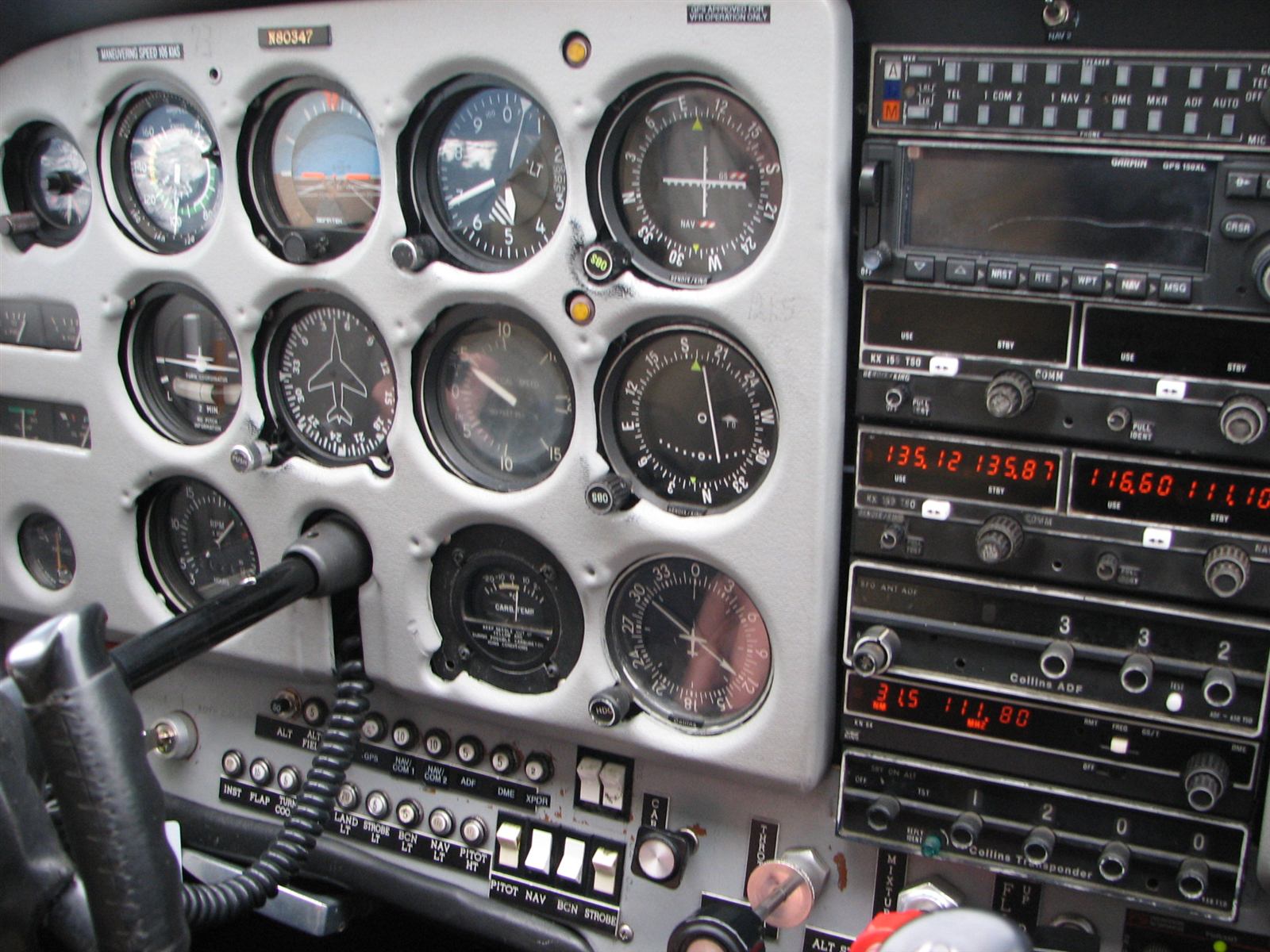
10 November 20268 min readA pitot tube the size of a pencil can be plugged by an insect, a cover or a strip of tape, and the airspeed indicator will never tell you. Here is how blockages show up, what the Birgenair 301 accident teaches, and the checks that catch them.
pitot-staticairspeed indicatorpre-flight inspectionmaintenanceinstrumentsKenya
Student pilots
9 November 20269 min readMost student pilots can recite their destination weather and fuel plan perfectly. Ask what they will do if that destination closes, and the plan falls apart. Here is how to pick a real alternate before you need one.
diversionalternate aerodromecross-countrydecision-makingfuel planningKenya
Student pilots
6 November 20269 min readJet fuel in a piston engine is one of the few aircraft faults that can kill you before you notice it is wrong. Wilson and the upcountry fields mix Avgas and Jet A1 on the same ramp. Here is the real accident record and the check that actually catches it.
fuelmisfuellingPAVEAircraftpreflightWilson AirportKenya
Student pilots
5 November 20266 min readThe Kenyan VFR weather minima in plain English: flight visibility, distance from cloud, the 1,500 ft and 5 km control zone rule, and why legal is not the same as safe.
VFRweather minimavisibilitycloud clearanceregulationsKenya
Student pilots
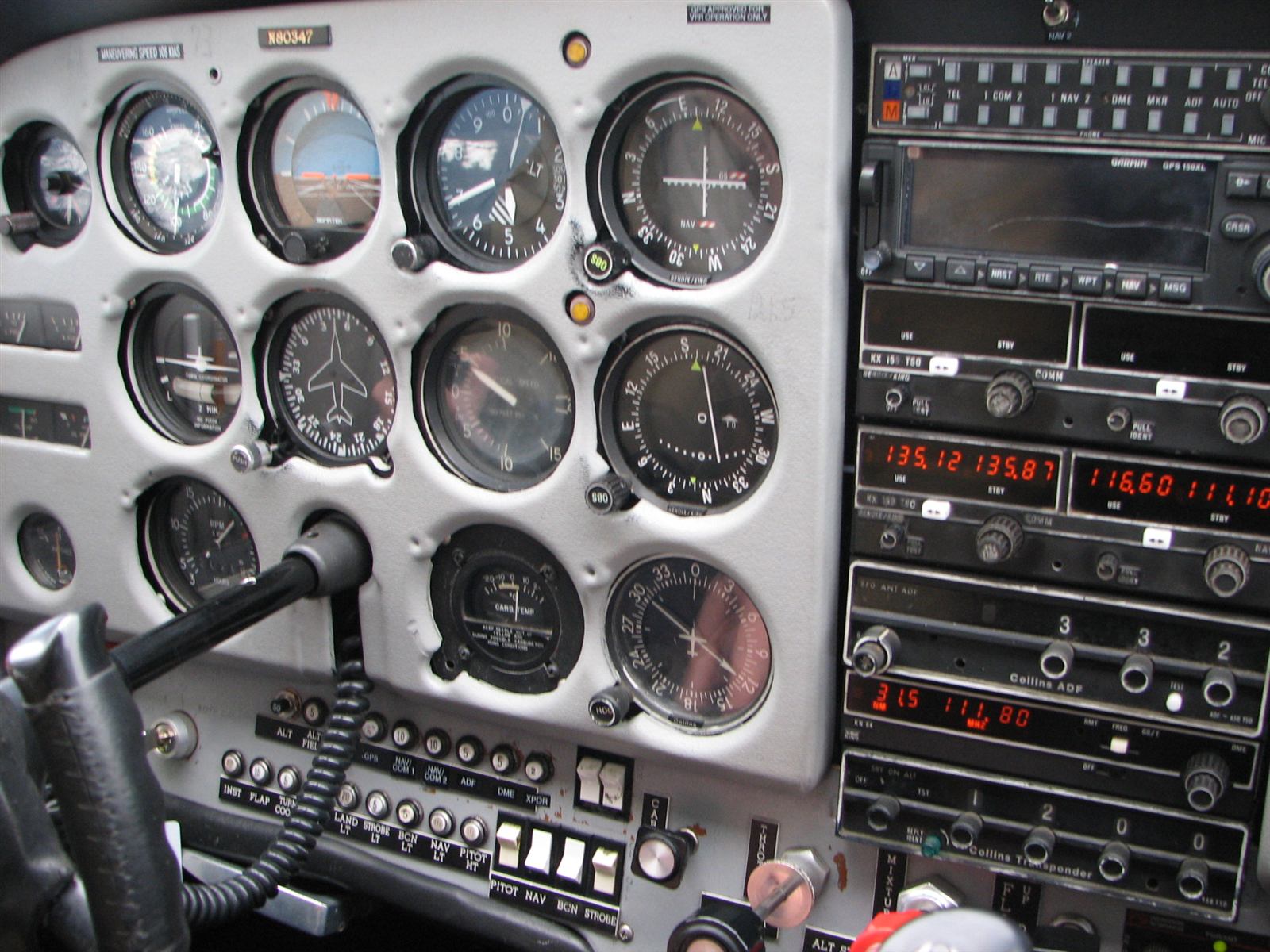
4 November 20269 min readThe attitude indicator and heading indicator in a C152, C172 or PA-28 run off a vacuum pump that can die mid-lesson with no gauge drop to warn you. Here is what the research says, and the drill your instructor probably skipped.
aircraft systemsPAVEvacuum pumppartial panelhuman factorsKenya

General
3 November 20268 min readMost propeller injuries happen before the aircraft moves an inch. What AOPA and the FAA handbook say about hot magnetos, hand propping and ramp habits, and how to apply it at a Kenyan flight school.
propeller safetyground handlinghand proppingmagnetosramp safetyflight trainingKenya
Student pilots
2 November 20269 min readEvery candidate blames nerves for a shaky skill test. The research on test anxiety and flight performance says the real story is more specific, and more useful, than that.
KCAAskill testcheckridetest anxietyhuman factorsflight trainingKenya
Student pilots
1 November 20265 min readBECMG, TEMPO and PROB mean three different things in a TAF. Decode a worked example, convert UTC to East Africa Time, and turn the forecast into a flying window.
TAFweatherforecastBECMGTEMPOstudent pilotKenya
Student pilots
31 October 20266 min readA METAR is a fixed-order weather code. Decode a worked example group by group, convert UTC to East Africa Time, and avoid the three mistakes students make most often.
METARweatherpreflightstudent pilotKenyadecoding
Student pilots
30 October 20269 min readIMSAFE asks you to report stress and emotion honestly, but the medical certificate behind it punishes honesty about mental health. Here is what the regulators, the research, and Kenya's own rules actually say, and what a flying school can do about the silence.
mental healthpilot wellbeingKCAA medical certificateaeromedical examinerIMSAFEKenya

Student pilots
29 October 20268 min readSafety investigators have warned for decades that unalerted see-and-avoid has serious limits. Here is what that means for a student pilot sharing the circuit at Wilson or an uncontrolled strip, and a scanning routine that works with your eyes instead of against them.
collision avoidancevisual scanningsee and avoidsituational awarenessWilson AirportKenya
Instructors
28 October 20269 min readFive training sorties a day, decades of propeller noise, and a headset bought once and never questioned. Noise-induced hearing loss is a slow, real occupational hazard for Kenyan CFIs, and the research says most are carrying more of it than they think.
hearing losshuman factorsCFIheadsetsoccupational healthKenya
Student pilots
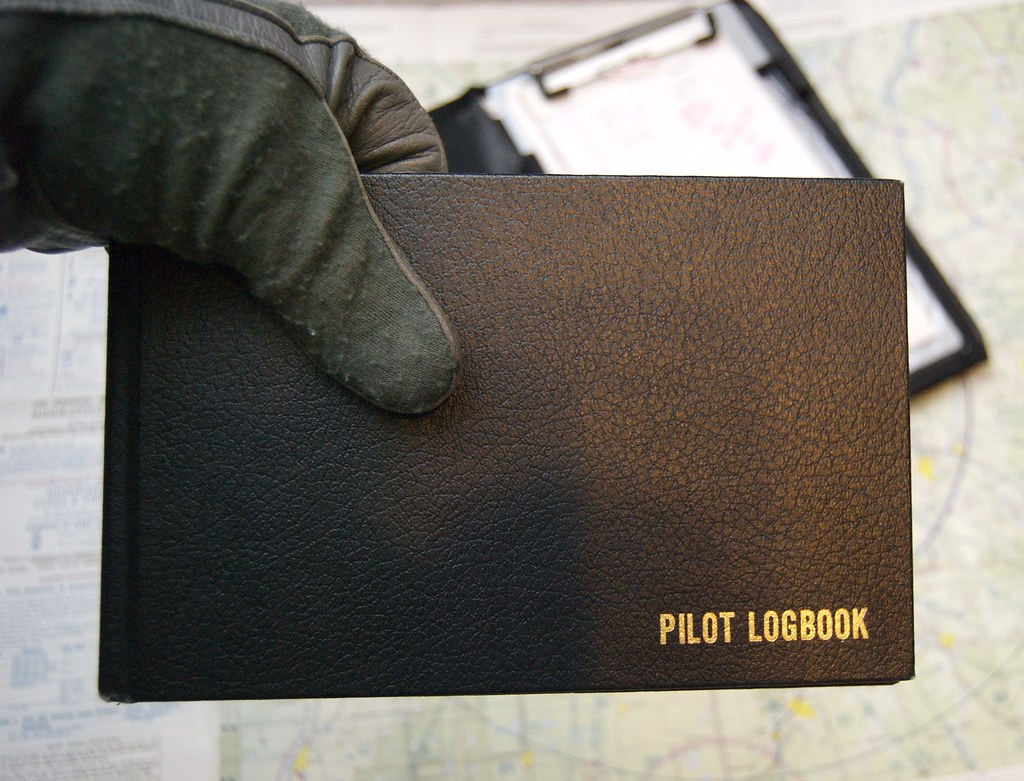
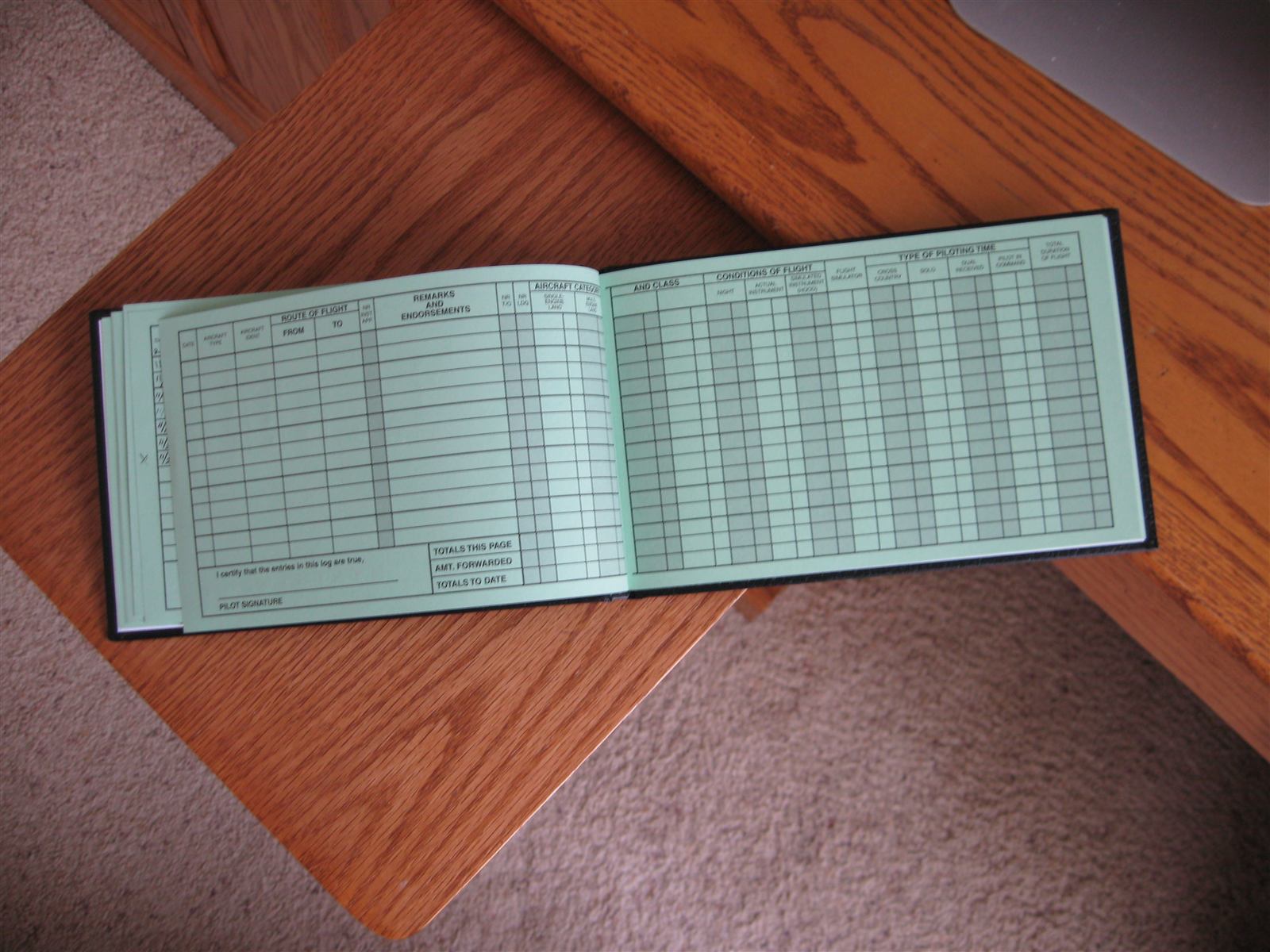
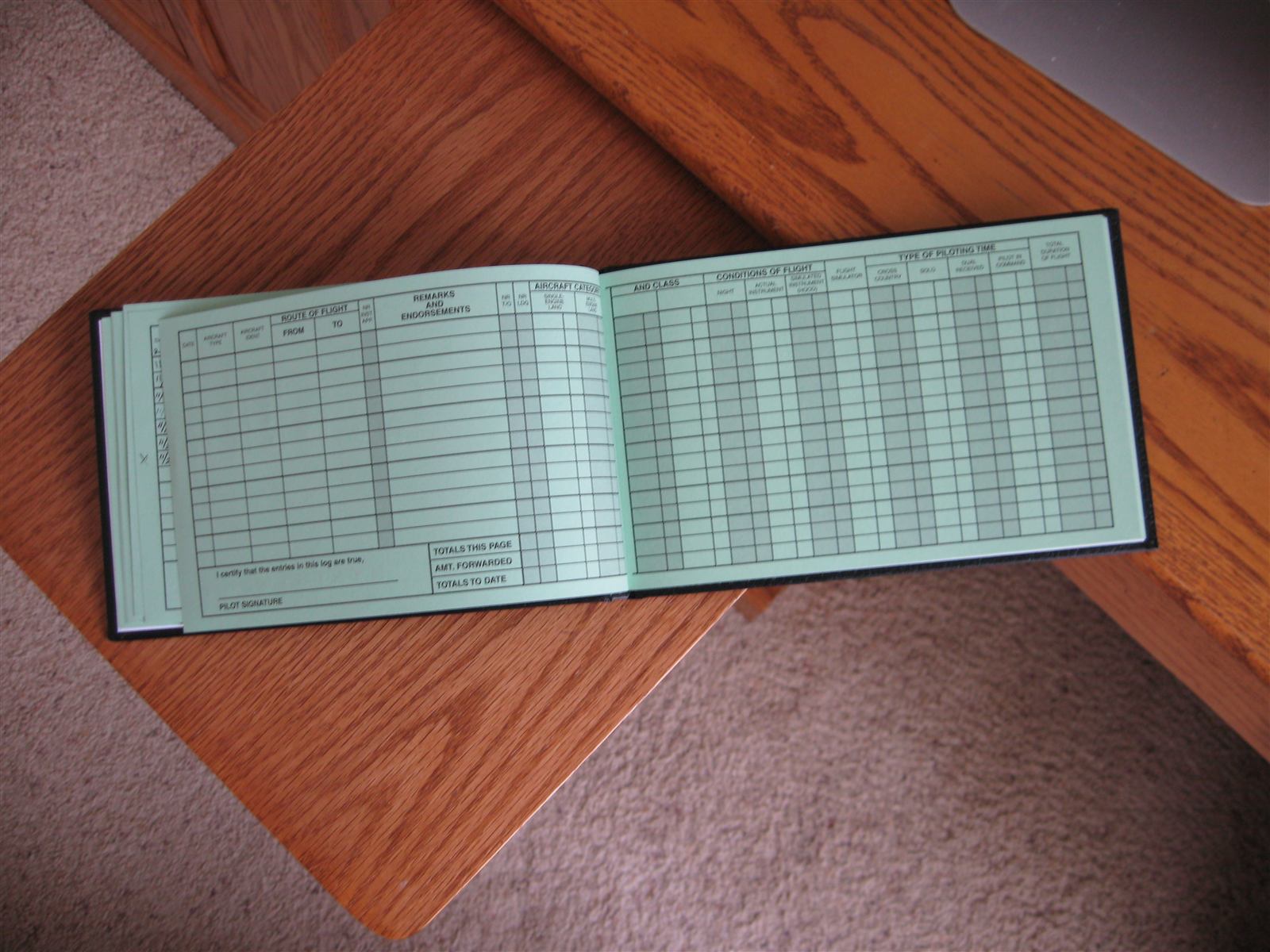
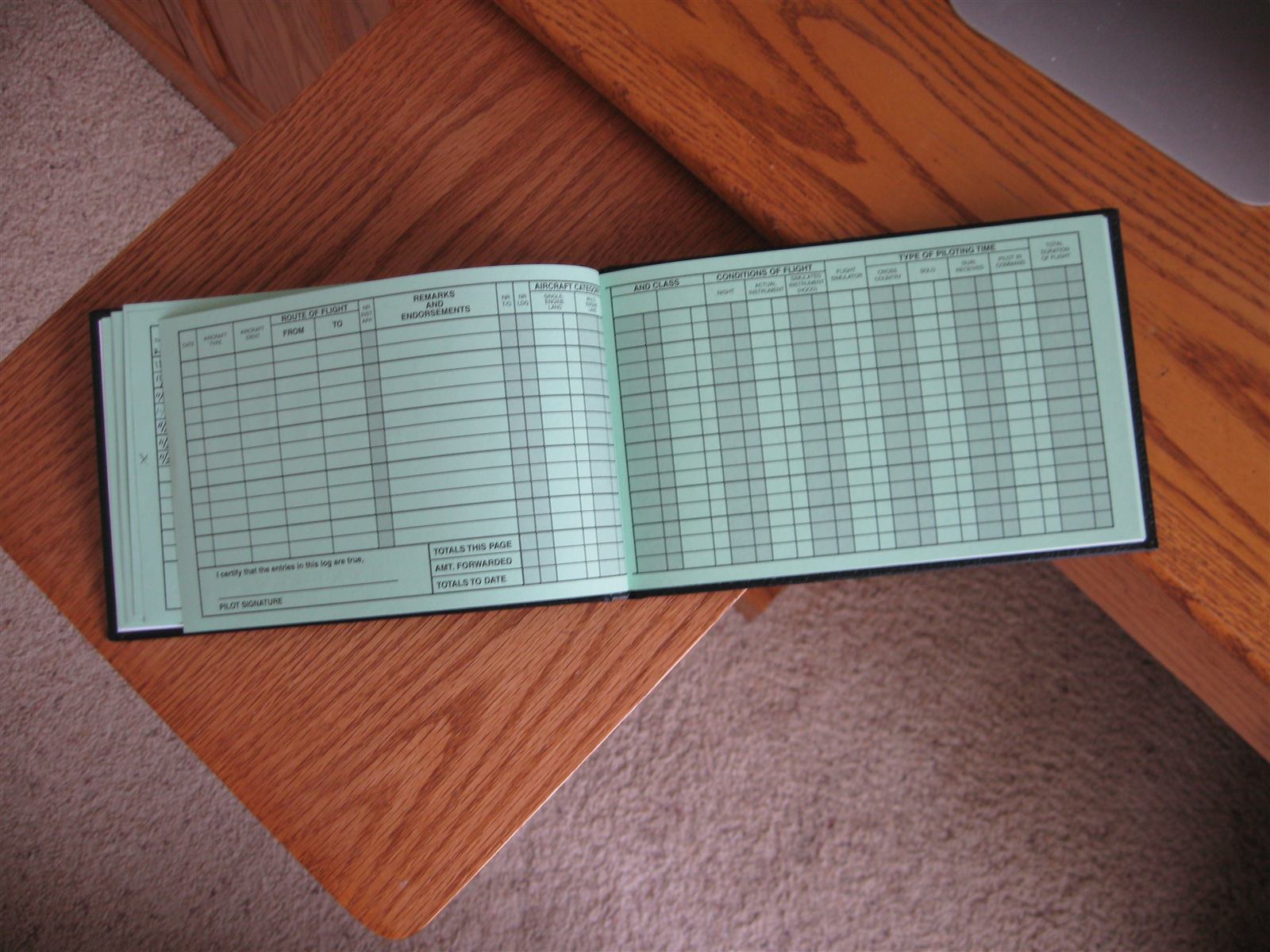
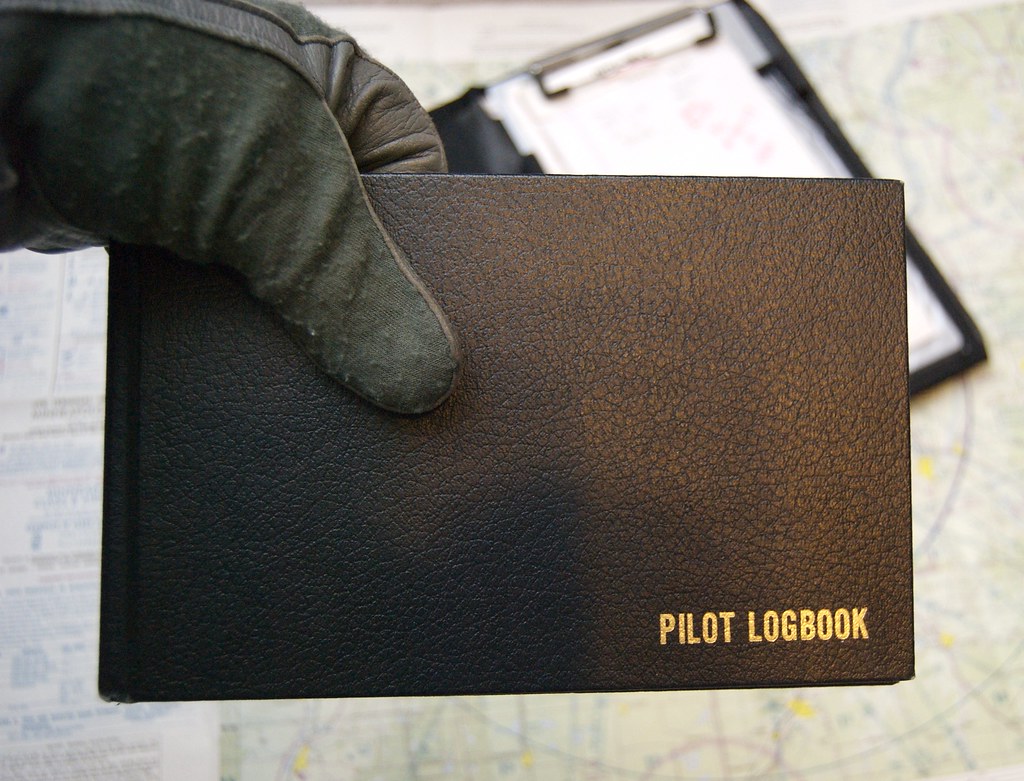
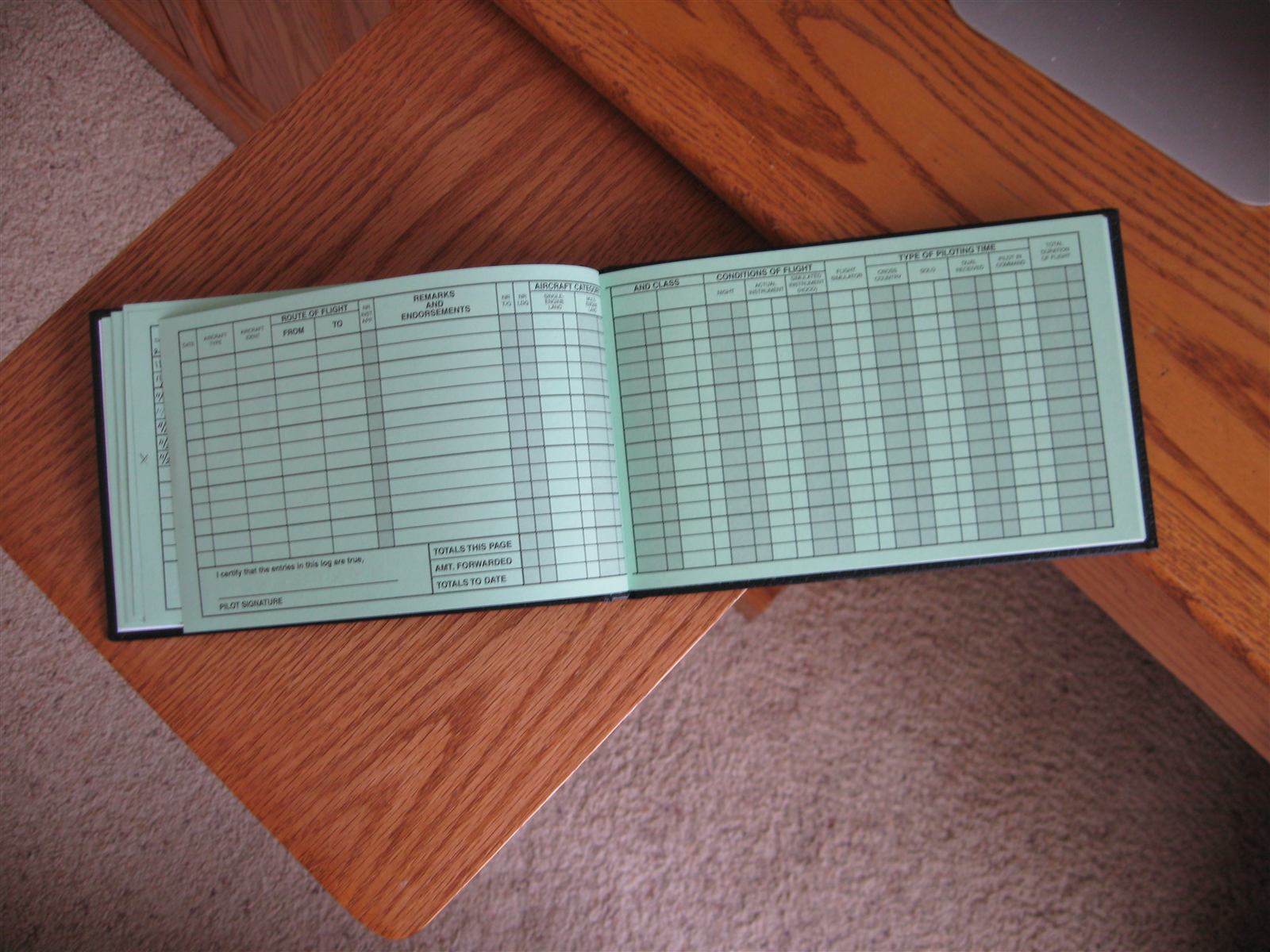
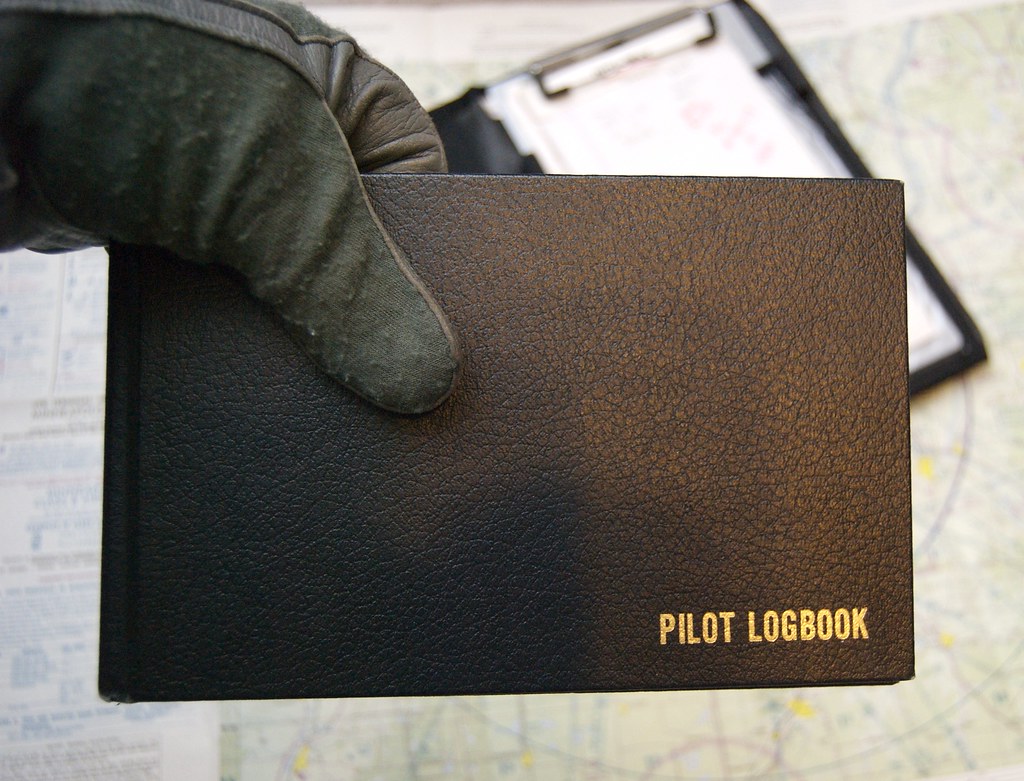
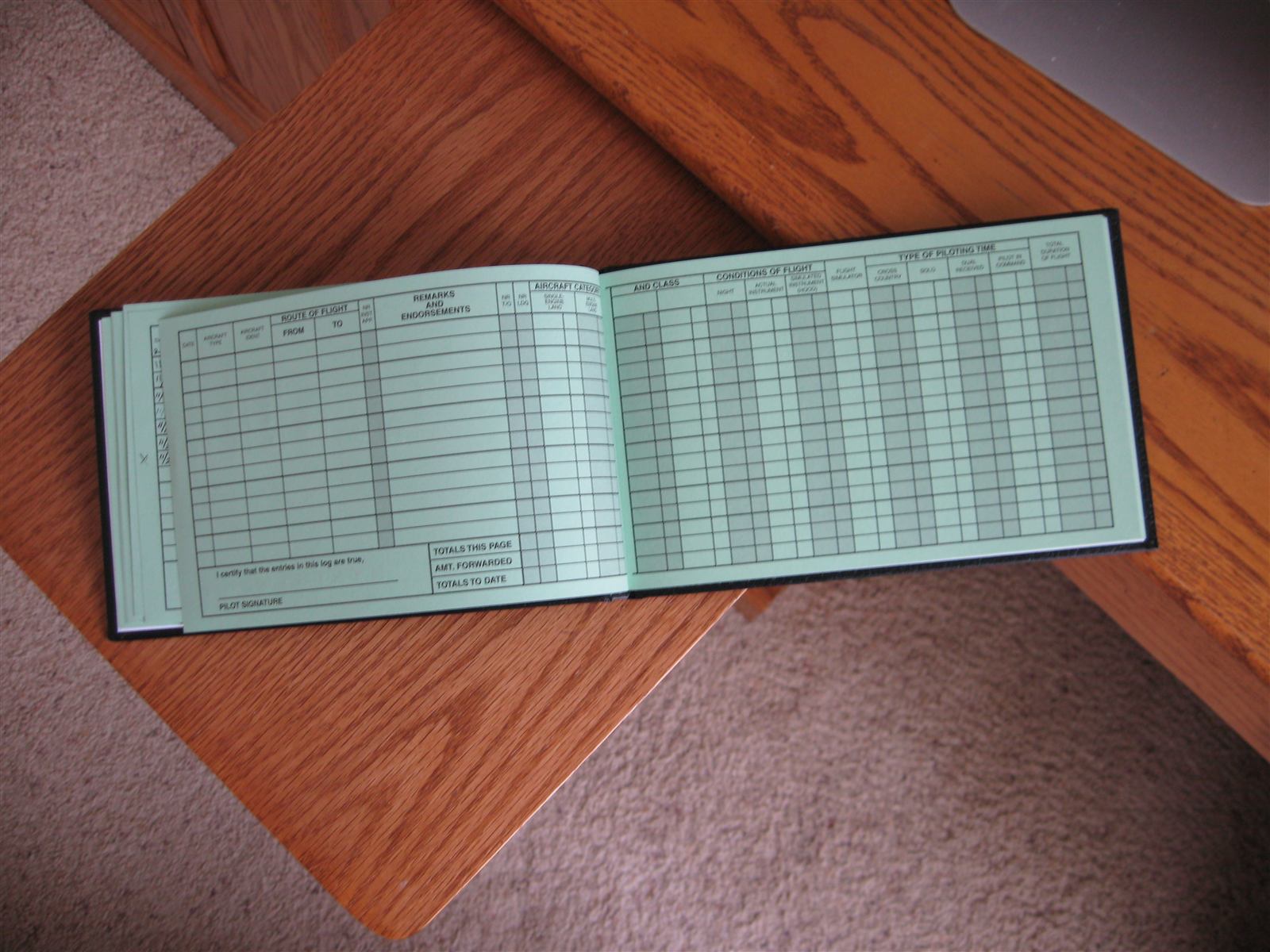
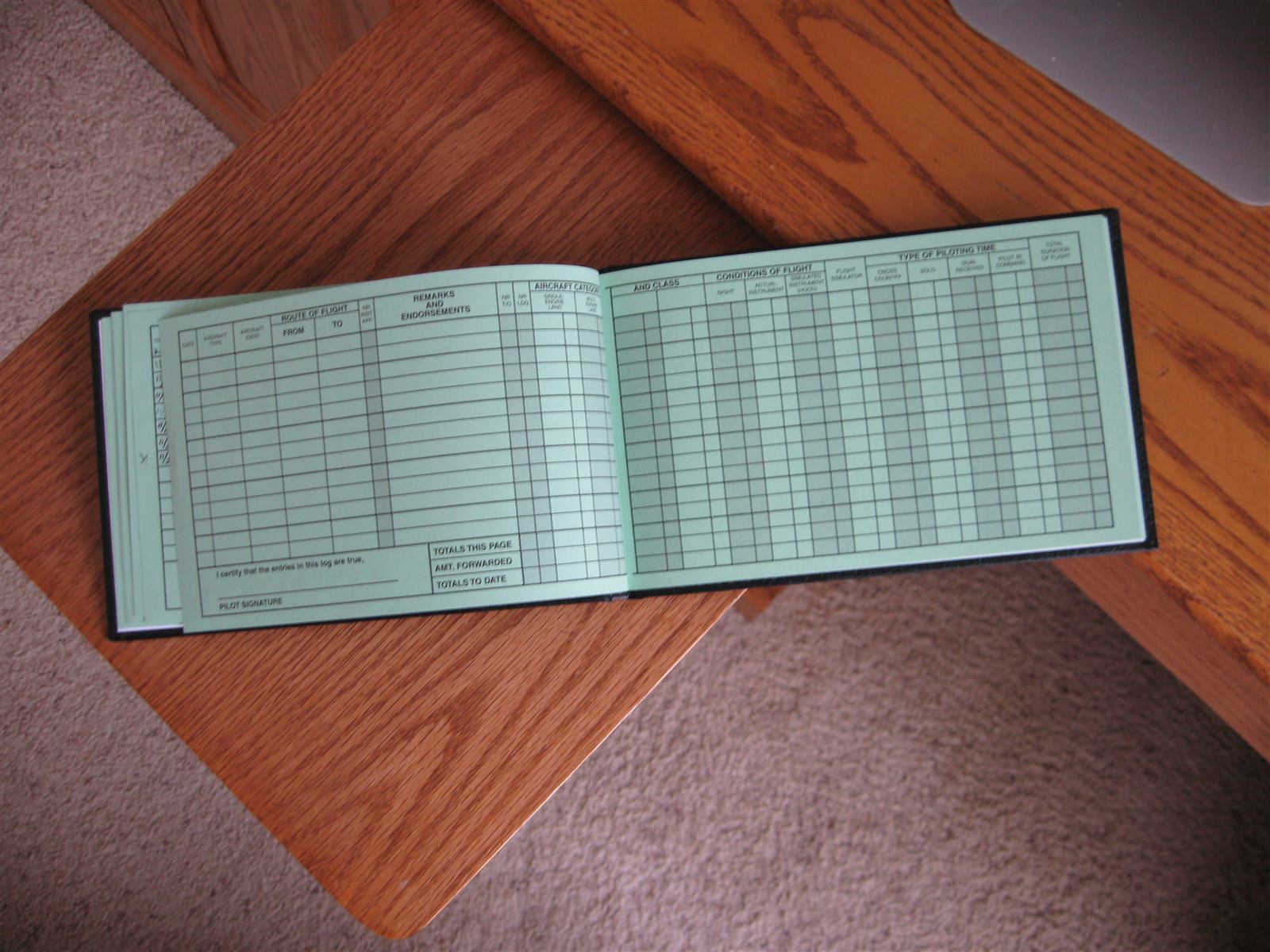
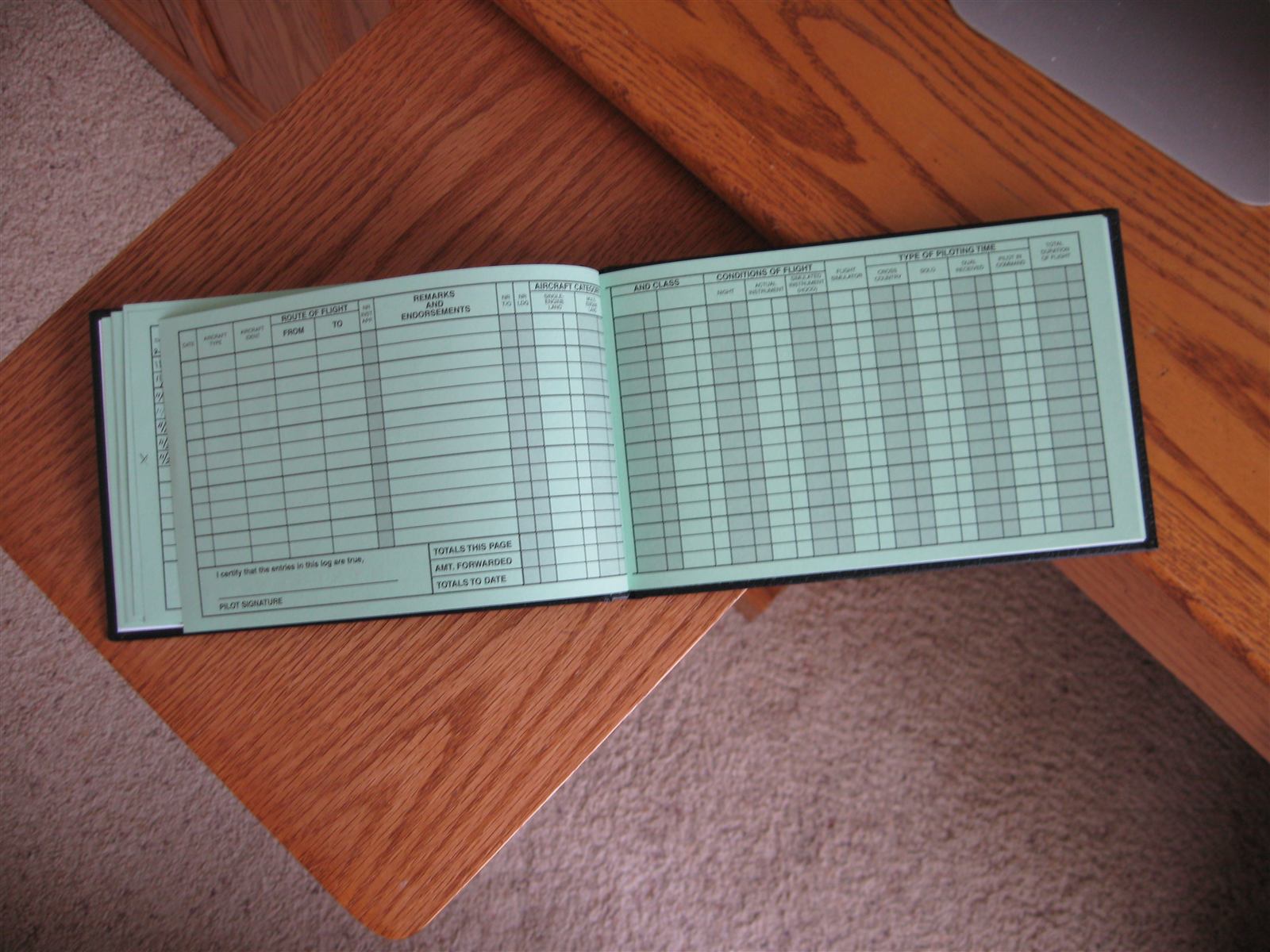
23 October 202610 min readA logbook is a legal record, not a diary, and KCAA will treat it that way the day it matters. Here is what actually has to be true about every entry and endorsement, and why Kenya's multi-school training pattern makes this harder than it looks.
KCAAlogbookendorsementsflight trainingKenyalicensing
General
21 October 20267 min readDrones, helicopters and light aircraft now share the same low airspace over Kenya's parks and bush strips, and nobody sees them all. KASS, from the team behind AngaBrief, puts every declared flight on one map and warns both pilots when two of them overlap.
KASSdronesUAShelicoptersbush stripsairspacesee and avoidKCAAKenya
Student pilots
21 October 202610 min readPilots say "it is probably on the MEL" more often than they have actually read one. Here is what a Minimum Equipment List really permits, what Kenyan regulation actually requires, and the landing-gear failure that shows what happens when a crew gets the difference wrong.
MELdeferred defectsairworthinessKCAAmaintenanceKenya
Student pilots
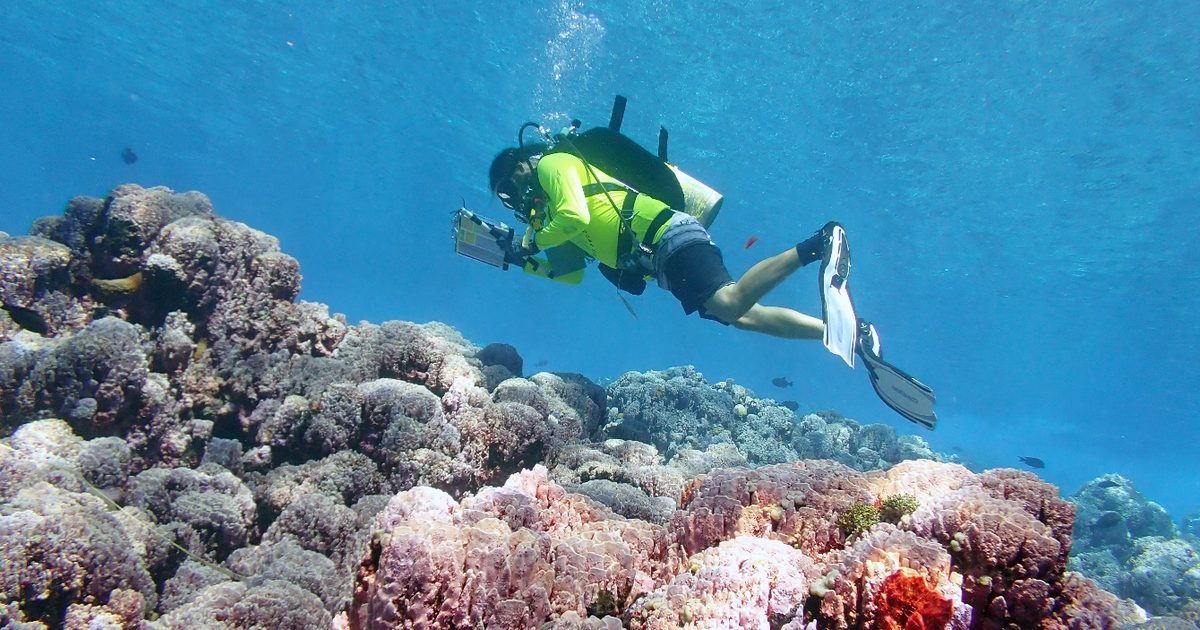
19 October 20268 min readDiani and Watamu divers routinely fly the same day, often straight up to Nairobi or the Mara at altitudes well above sea level. Here is why that combination is riskier in Kenya than the standard guidance assumes, and what pilots and instructors should actually ask.
IMSAFEdecompression sicknesshuman factorscoastal flyingMaraKenya
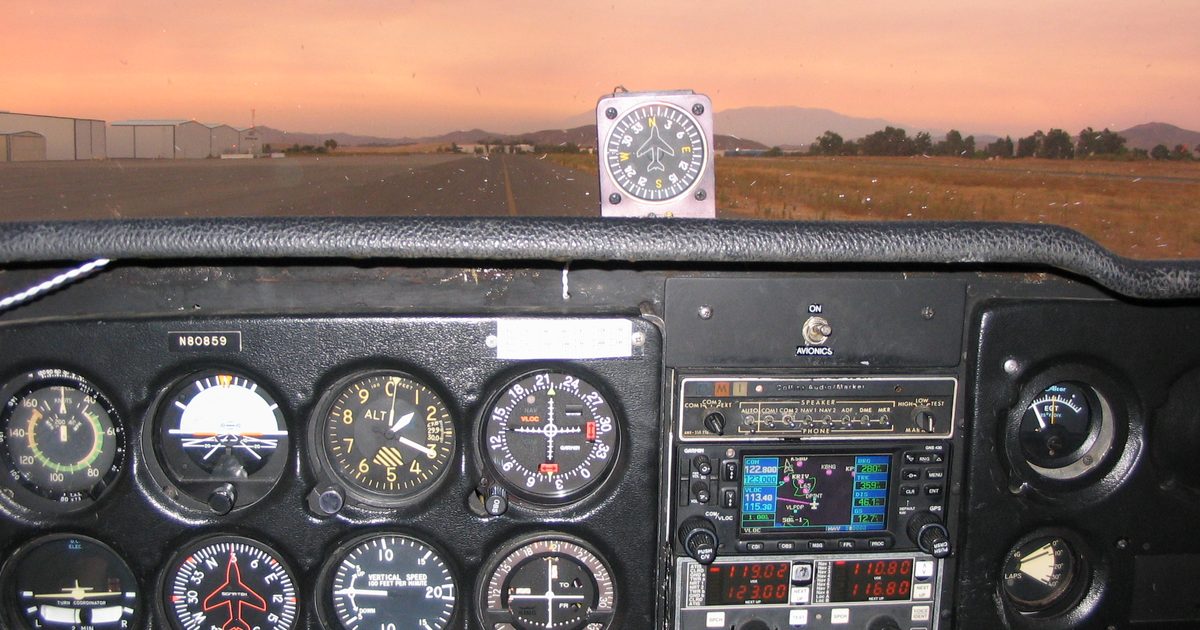
Student pilots
16 October 20269 min readTraining feels like the risky part because an instructor is watching every move. The research says the real danger window opens once they stop, right as many Kenyan pilots head solo into the Mara and the coast.
human factorscomplacencyPPLCPLflight trainingKenya
Student pilots
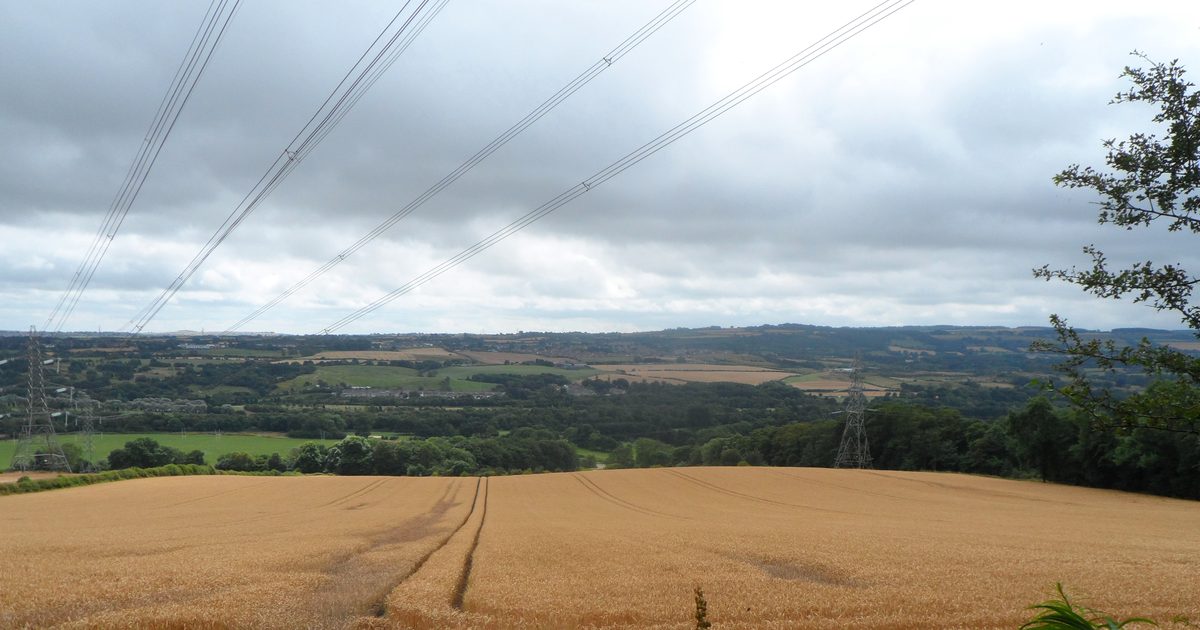
14 October 202610 min readA hazard you cannot see until you are inside it drives a disproportionate share of fatal general aviation manoeuvring accidents, and Kenya's farms, murram roads and conservancies are full of it. Here is why the safest altitude is higher than it feels, and how to decline the request well.
PAVEwire strikelow flyingmanoeuvring accidentssituational awarenessKenya
Student pilots
12 October 20269 min readWilson has a tower. The strip your cross-country sends you to almost certainly does not. Here is what Kenyan law and the self-announce discipline actually require when nobody is there to tell you what to do.
uncontrolled aerodromeCTAFradio procedurescircuit joiningKCAAflight trainingKenya
Student pilots
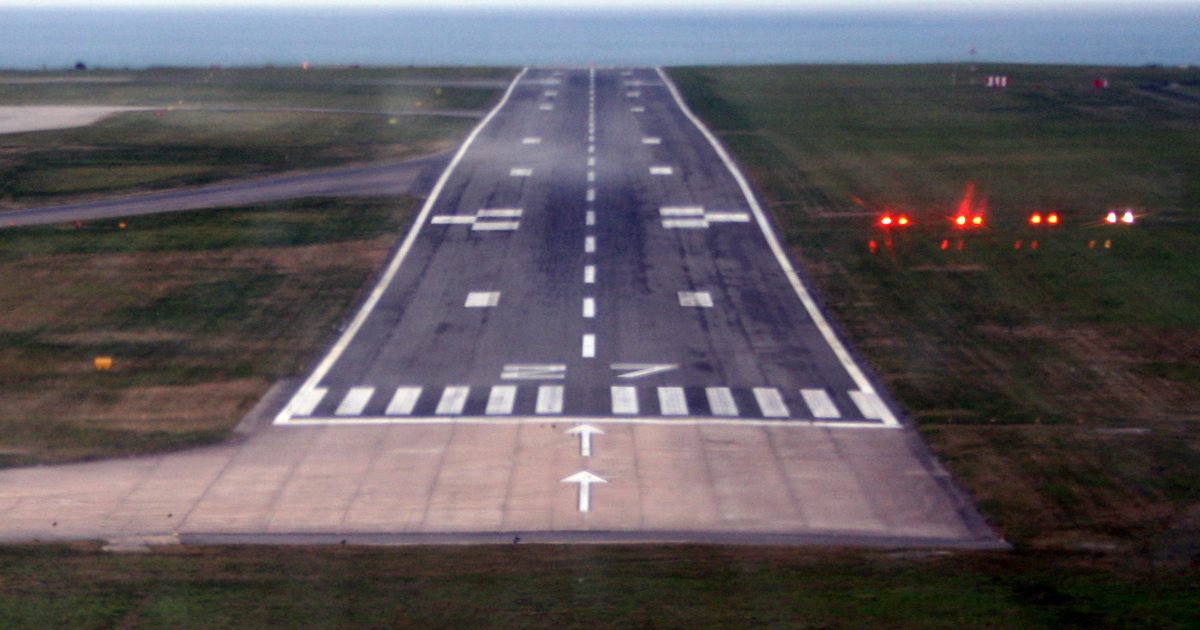
9 October 20269 min readFailing the Ishihara plates feels like the end of a flying dream, but for most candidates it is not. Here is what colour vision deficiency actually means for a KCAA medical, the 2002 crash that explains why the test exists, and why the "it is a European thing" myth is wrong.
KCAAmedical certificatecolour visionaeromedicalhuman factorsKenya

Student pilots
7 October 20269 min readA C152, C172 or PA-28 carries nothing that can see inside a storm. Here is what a thunderstorm cell actually threatens you with, the avoidance distances the FAA and AOPA actually recommend, and why Kenya builds this exact weather on a daily schedule.
thunderstormslightningweatherconvective weatherVFRKenya weather
Student pilots
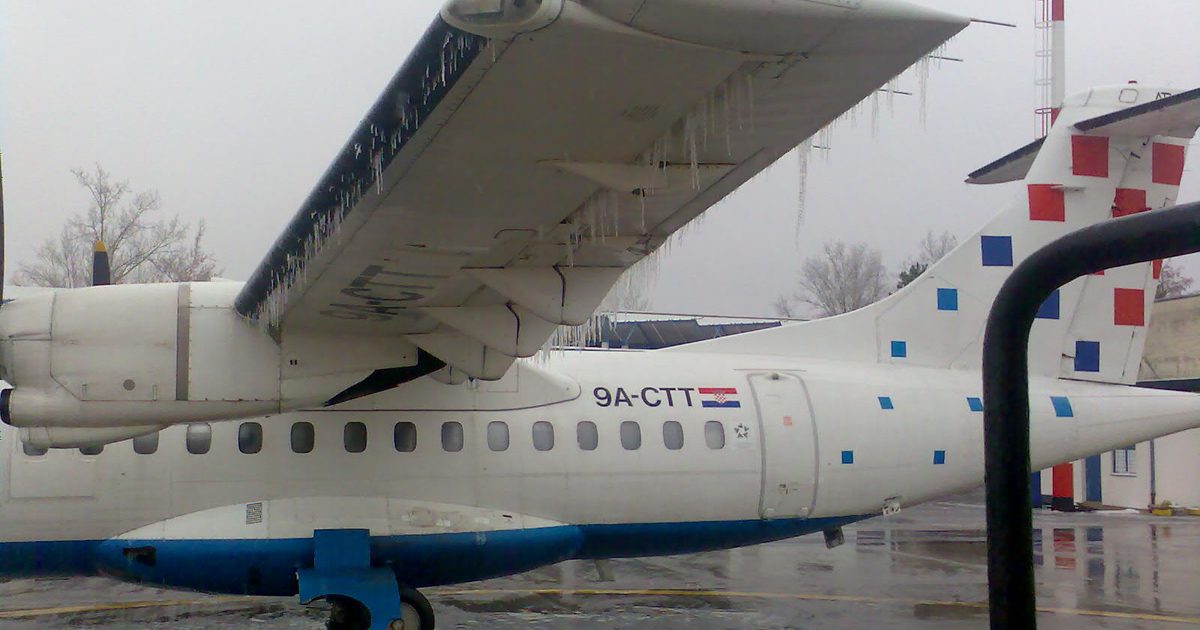
5 October 20269 min readKenyan ground school treats structural icing as a cold-country problem. The physics disagrees, especially once a wet-season cumulus or a highland routing puts a non-deiced trainer near the freezing level.
icingweatherconvective weathermeteorologyKenya weather
Student pilots
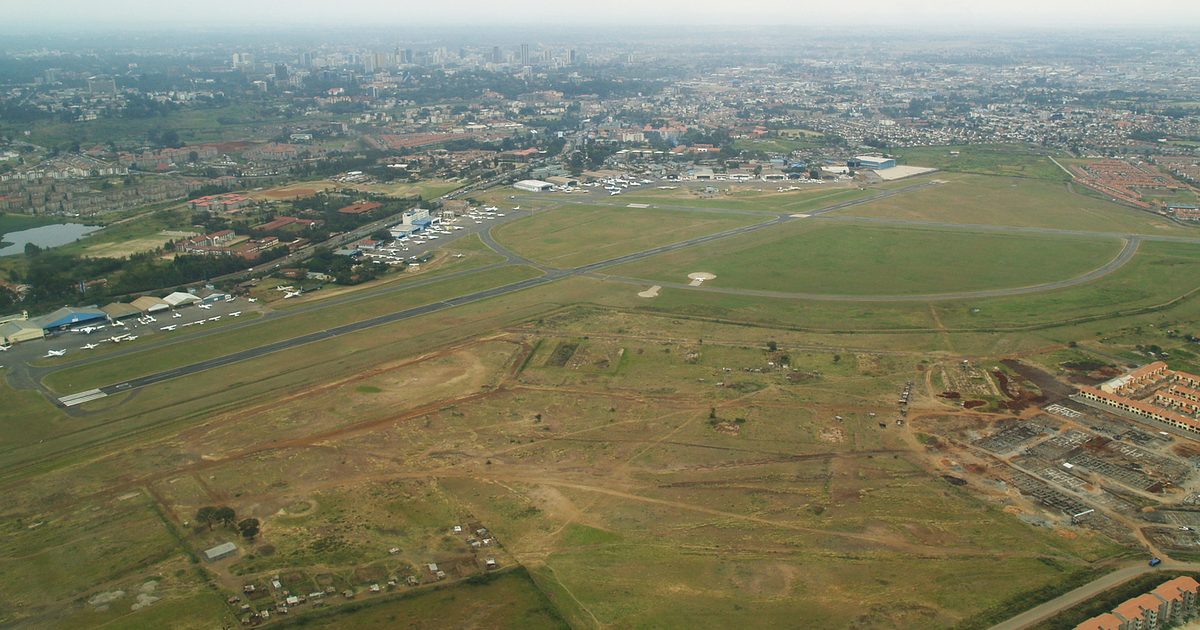
2 October 202610 min readA Safarilink Dash 8 and a 99 Flying School Cessna occupied the same airspace sixteen seconds after a takeoff clearance at Wilson. Here is what the official report says happened, and why "cleared" was never the whole story.
Wilson AirportHKNWcollision avoidancesee and avoidATCKCAArunway safetyKenya
Student pilots
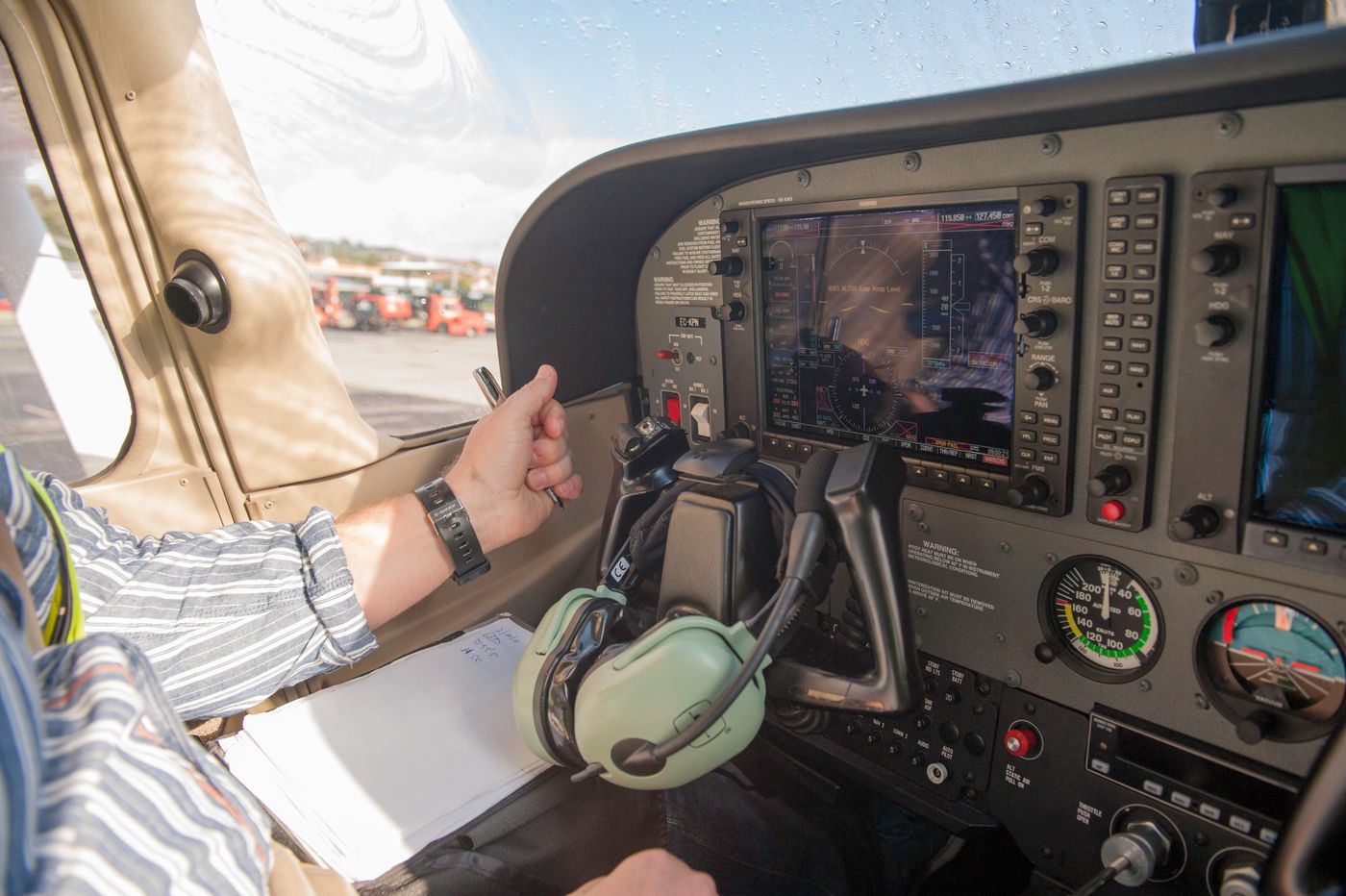
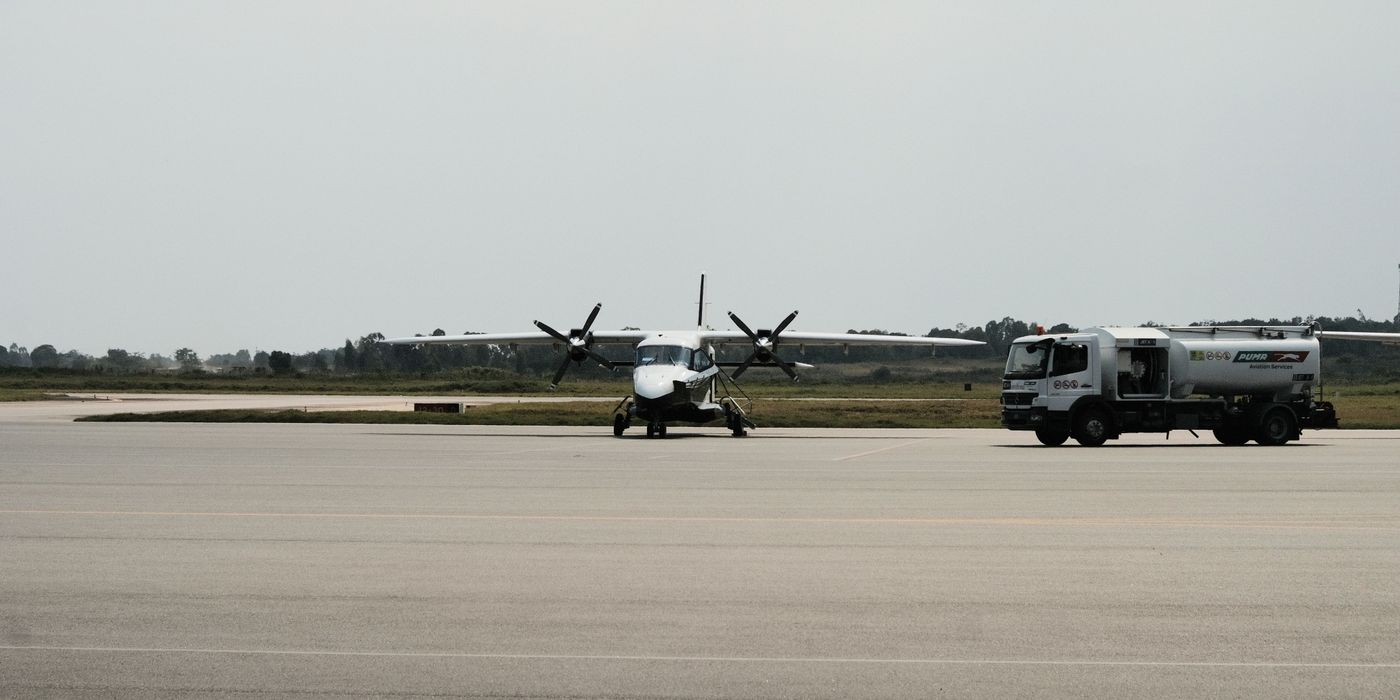
2 October 202612 min readThe passenger safety brief is the item new pilots drop first and regret worst. Here is the SAFETY brief done properly, why the seatbelt release and the exit are the two lines that decide survivability, and how to run it for a nervous relative or a safari load at a Mara strip without sounding like a flight attendant.
Kenyapassengerssafety briefairmanshipPICsterile cockpitsafariemergency egress
Student pilots
1 October 202612 min readWater is the most common thing that contaminates avgas, and it collects exactly where your drain valves are. This is how to sample fuel properly on a Kenyan ramp, why highland nights and drummed upcountry fuel make it matter more, and the one mistake that makes a full tester of water look like clean fuel.
Kenyapreflightfuelcontaminationavgaswater drainairmanshipengine
Student pilots
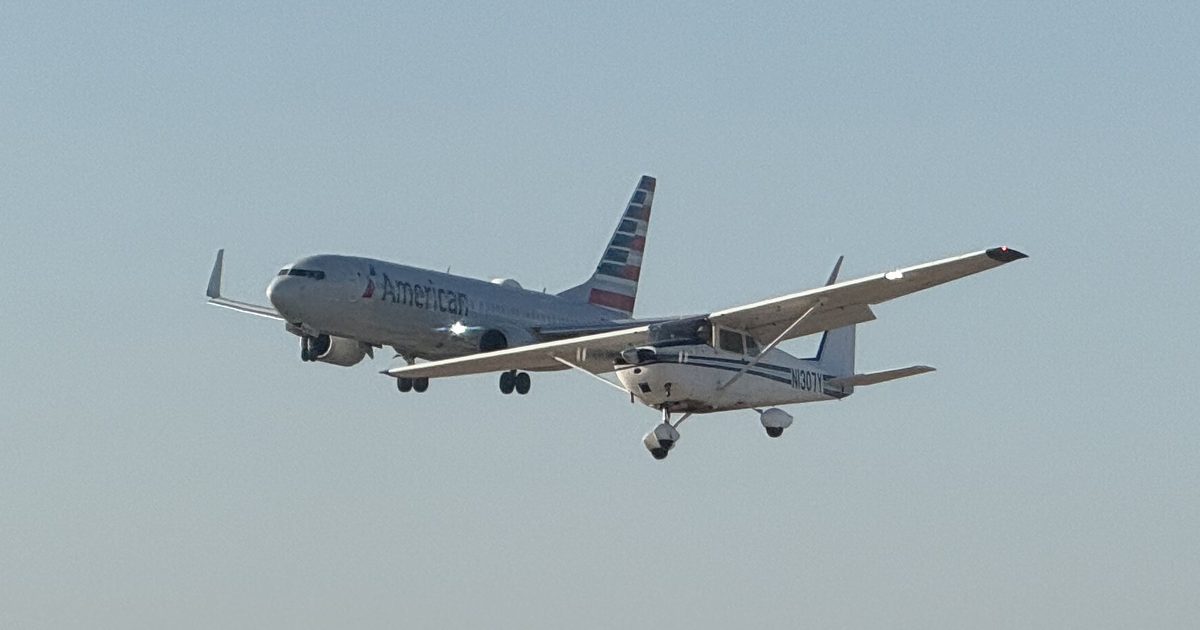
30 September 202611 min readEvery student can recite "aircraft on the right has right of way" for the exam. Almost none can state the one rule that actually matters at a busy circuit: what happens when two aircraft are both approaching to land at the same time.
right of waycollision avoidanceRules of the AirKCAAICAO Annex 2Wilson AirportcircuitKenya
Student pilots
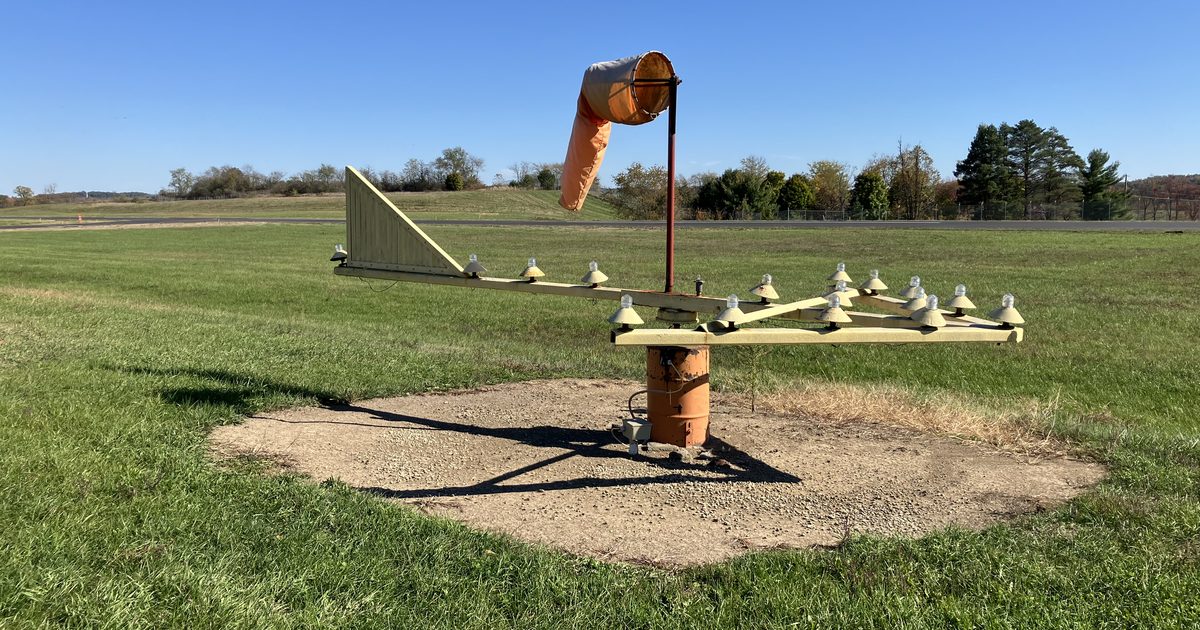
28 September 20269 min readKCAA and ICAO set a legal floor for VFR flight. That floor was never built for a low-hours PPL holder over Kenyan terrain in the wet season. Here is how to write a personal minimums checklist that actually protects you, and why it has to be written down before you need it.
personal minimumsPAVEdecision makingflight trainingrisk managementKenya
Student pilots
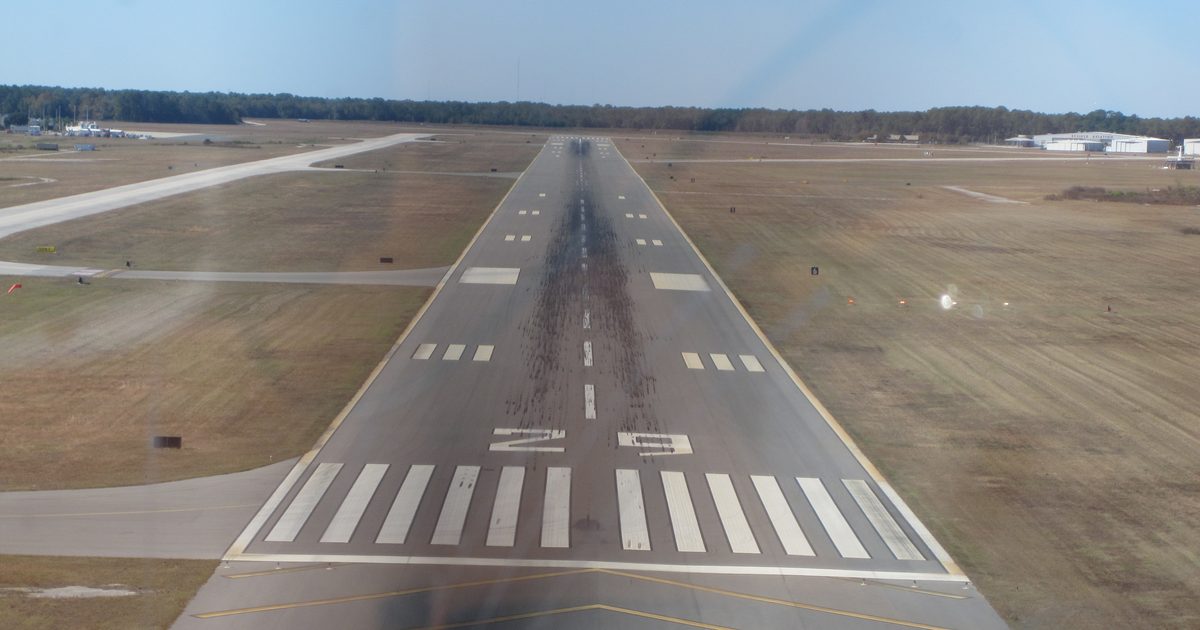
25 September 20269 min readA narrower or sloped runway does not just look different on approach, it changes what your eyes tell your hands to do. Here is the visual illusion mechanism behind it, and why a training career that moves between Wilson and Kenya's bush strips makes it a live risk rather than a textbook curiosity.
visual illusionsrunwaylandingPAVEbush flyingKenya

Student pilots
23 September 20269 min readKenyan flying schools have moved training to Kisumu and Mombasa for calmer skies, but both aerodromes put light singles on the same runway as Kenya Airways and Jambojet. Here is what the wake behind those aircraft actually does, and how to fly around it.
wake turbulenceKisumuMombasarunway operationsjet trafficKenya

Student pilots
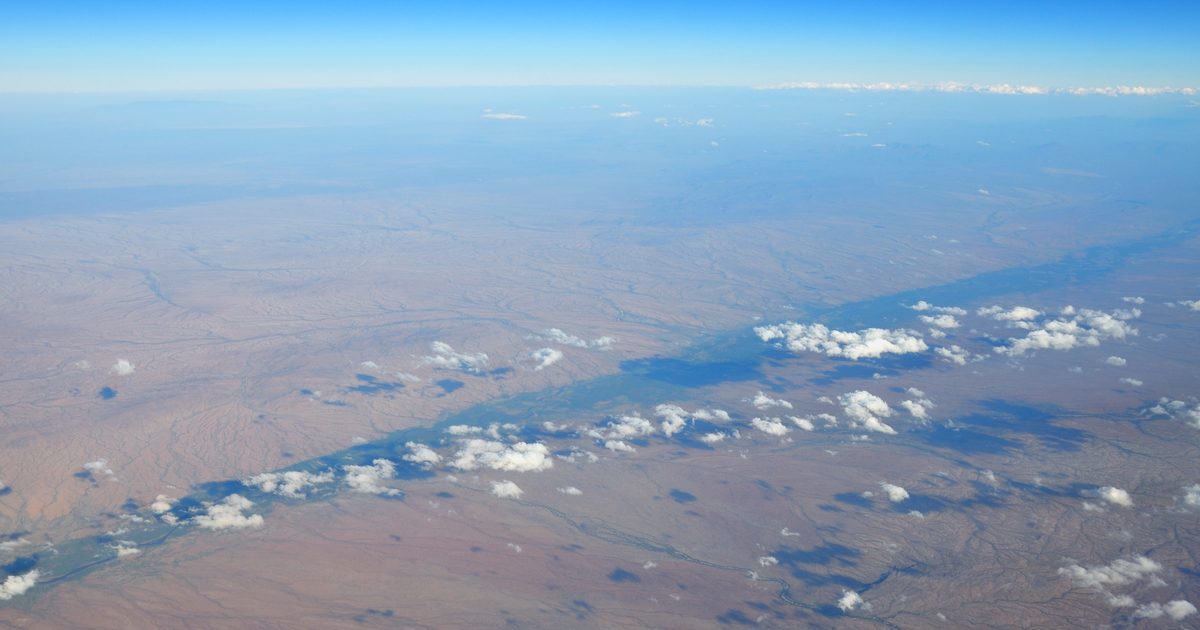
22 September 202613 min readKenya issues METAR and TAF for only a handful of aerodromes, so the weather over your training area is something you build, not something you download. This is the pre-flight self-brief that turns thin data and a predictable highland day into a personal go or no-go before you walk to the aircraft.
KenyaweatherpreflightMETARTAFriskself-briefKMD
Student pilots
21 September 202613 min readWhen the engine stops over Kenya, the surface you commit to matters more than any checklist you run. Here is how to read shambas, tea, scrub, murram tracks and the Rift lakes from the air, and the field-selection discipline that keeps a forced landing survivable.
Kenyaforced landingengine failureemergencyterrainhuman factorsoff-field landing
Student pilots
21 September 202610 min readEvery Kenyan student can recite the engine-failure procedure. Almost none are trained for the reflex and the mental fog that arrive before they can use it. Here is the science of startle and surprise, and what a Certified Flight Instructor can actually do about it.
startle effectsurprisehuman factorsemergency trainingCFIflight trainingKenya
Student pilots
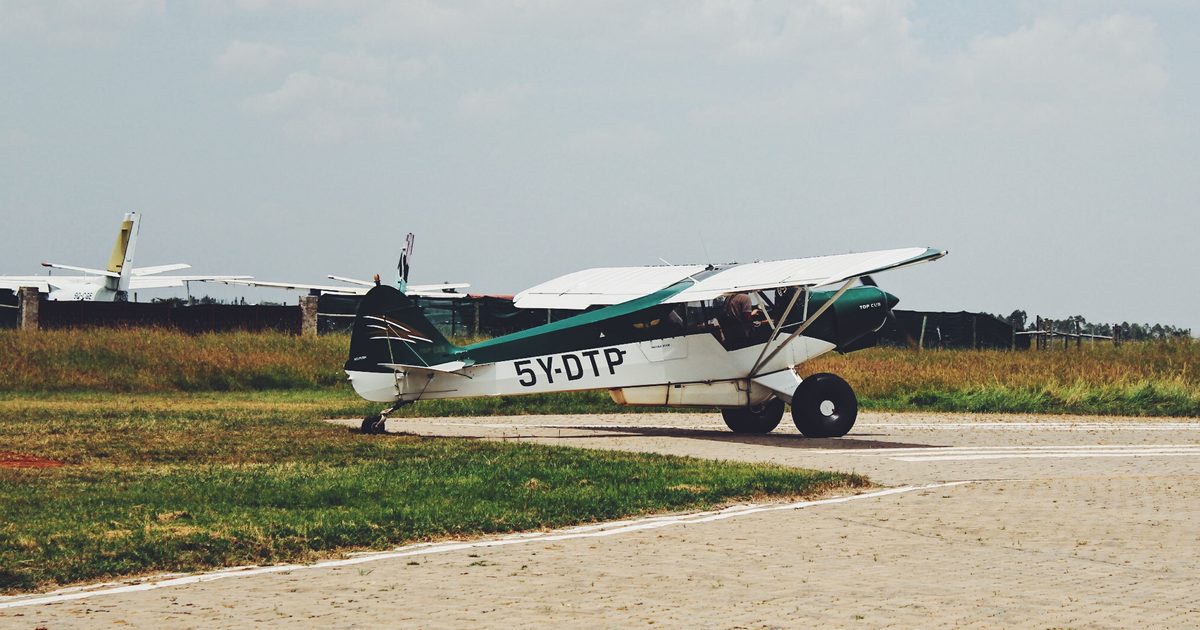
20 September 202613 min readOn a 500 metre murram strip fringed by trees, a few extra knots and a drifting aiming point put aircraft into the far fence, not a lack of talent. Here is the short-field takeoff and landing discipline that keeps a runway you cannot lengthen inside the numbers your aircraft can actually deliver at Kenyan highland strips.
Kenyashort fieldlandingtakeoffairstripdensity altitudebush stripsperformance
Student pilots
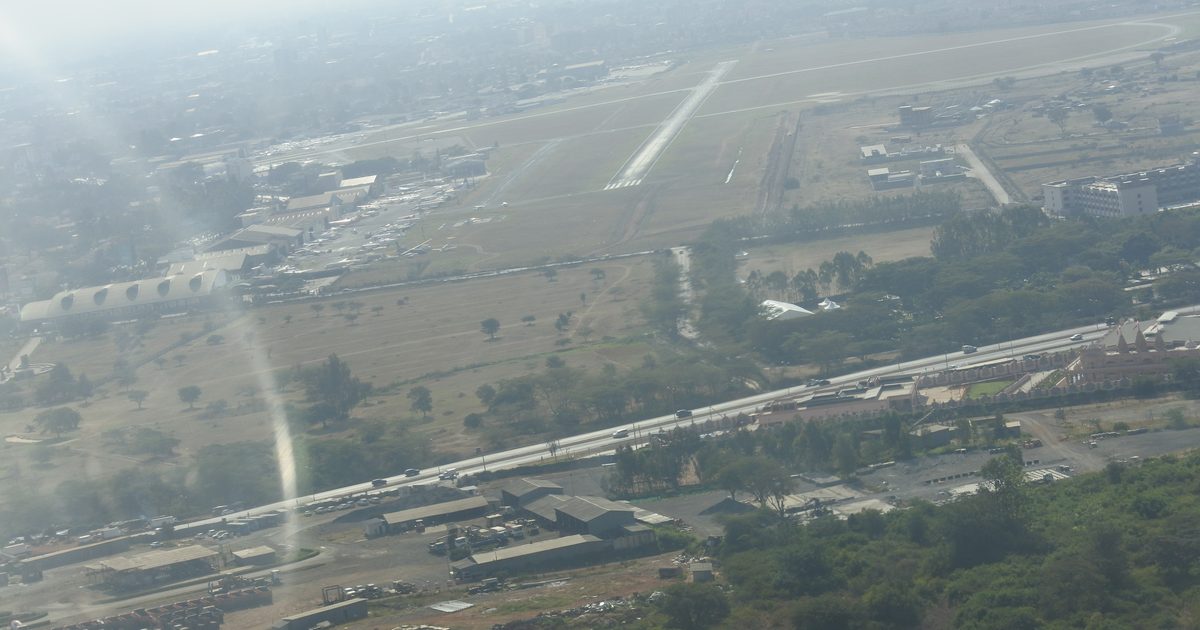
19 September 202613 min readKenya's dry-season dust, valley smoke from land-clearing, and the flat light of the arid north can drop your flight visibility below VFR minima while you are still legally clear of cloud. Here is why haze is not cloud, how it fools your approach, and the landmark trigger that tells you to turn back.
KenyavisibilityhazedustVFRweatherspatial disorientationdecision-making
Student pilots
18 September 202612 min readAt Wilson, light trainers share one circuit with Caravans, King Airs and helicopters, yet ICAO files all of them under 'Light' and mandates no wake separation between them. Here is where the invisible wake sinks and drifts, and the rotate-before and land-beyond technique that keeps a C172 out of it.
KenyaWilsonwake turbulenceseparationcircuitC172Cessna Caravanhuman factors
Student pilots
18 September 202610 min readA runway can look identical from a thousand feet whether it is bone dry or dangerously soft underneath. Here is how to actually read a wet-season runway before you commit to it, on tarmac and on murram.
PAVErunway surfacewet seasonmurram stripsbush flyingKenya

Student pilots
16 September 202611 min readMulti-engine training sells a promise: lose one engine, the other gets you home. At Kenya's highland aerodromes, that promise depends on numbers almost nobody checks before the lesson. Here is what Vmc, single-engine service ceiling, and critical density altitude actually mean for a Seneca or Baron departing Wilson, and why the regulation already treats this transition more seriously than the training culture around it does.
multi-engineVmcdensity altitudePAVEperformanceKenyaflight training
Student pilots
14 September 20269 min readNTSB reports keep naming the same failure: an inadequate preflight inspection, usually missed fuel contamination, usually fatal. Here is why a real walkaround takes longer than a glance, and what Kenyan fuelling conditions do to the risk.
PAVEpreflight inspectionfuel contaminationaircrafthuman factorsKenya
School admin
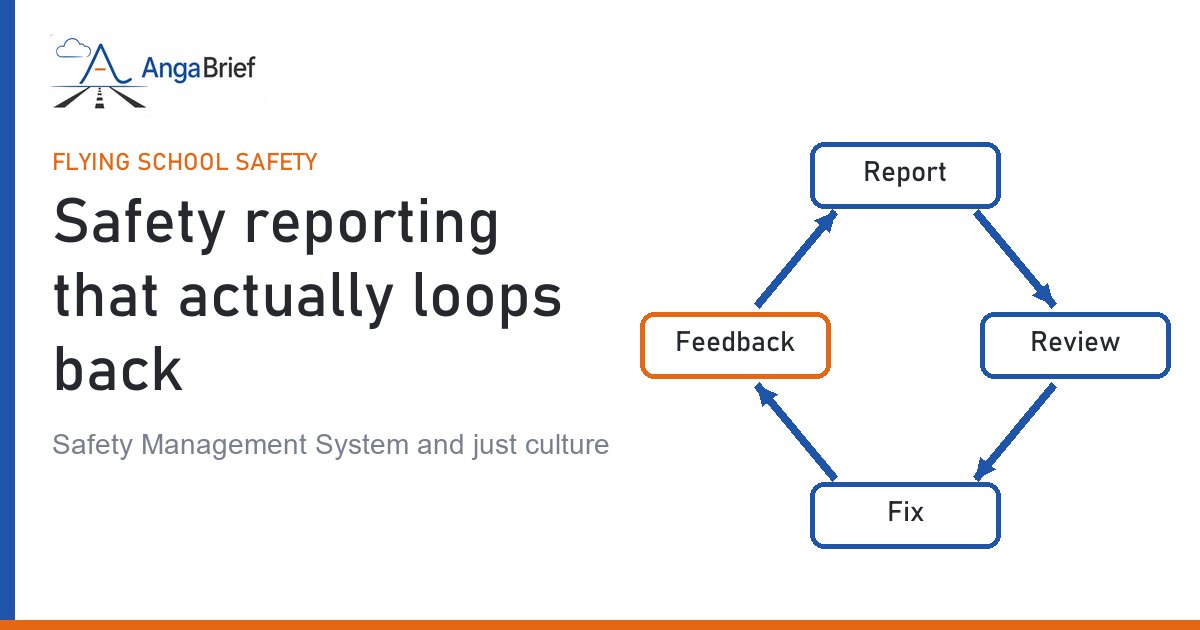
11 September 202612 min readMost Kenyan flying schools can produce an SMS manual on request. Far fewer can show a hazard report filed in the last twelve months, and that gap is a just culture problem, not a paperwork one. Here is what KCAA actually requires, and how a two-aircraft school builds a reporting culture that survives contact with a small, personal workplace.
SMSsafety management systemjust cultureKCAAATOflying schoolsafety reportingKenya
Student pilots
9 September 202611 min readAirline crews worldwide train on it, and Australia made it a mandatory checkride item back in 2009. Most Kenyan PPL and CPL syllabuses never say its name. Here is what Threat and Error Management actually is, and a five-minute debrief structure any instructor or self-flying student can start using this week.
TEMthreat and error managementhuman factorsCRMinstructor debriefflight trainingKenya
Student pilots
7 September 202610 min readEvery Kenyan pilot sits an English test at some point and files it away as a box-ticking exercise. It is a real skill assessment with an expiry date, and the thing it actually measures is not the thing most students think.
ICAOlanguage proficiencyKCAAradiotelephonycomplianceKenya
Student pilots
4 September 20269 min readKenyan ground schools teach PAVE, IMSAFE, DECIDE and 3P as if they are four names for the same tool. They are not. Here is what each one is actually built for, and why mixing them up is why pilots freeze the moment conditions change mid-flight.
ADMPAVEDECIDE3Prisk managementdecision makingflight trainingKenya
Student pilots
2 September 20269 min readHigh-altitude hypoxia sounds like a jet problem. Kenya's own highland aerodromes and terrain-crossing cross-countries put a C172 inside the FAA's caution zone before the syllabus ever calls it "high altitude flying."
hypoxiaaltitude physiologyhuman factorshighlandsnight flyingKenyaKCAA
Student pilots
31 August 202610 min readSpatial disorientation kills more of the pilots it catches than almost any other accident category. Kenya's dark upcountry strips, fast equatorial dusk, and featureless terrain are precisely the conditions that build the illusion. Here is the physiology, a real Kenyan accident, and what actually protects you.
spatial disorientationhuman factorsnight flyingVFRCFITflight trainingKenya
Student pilots
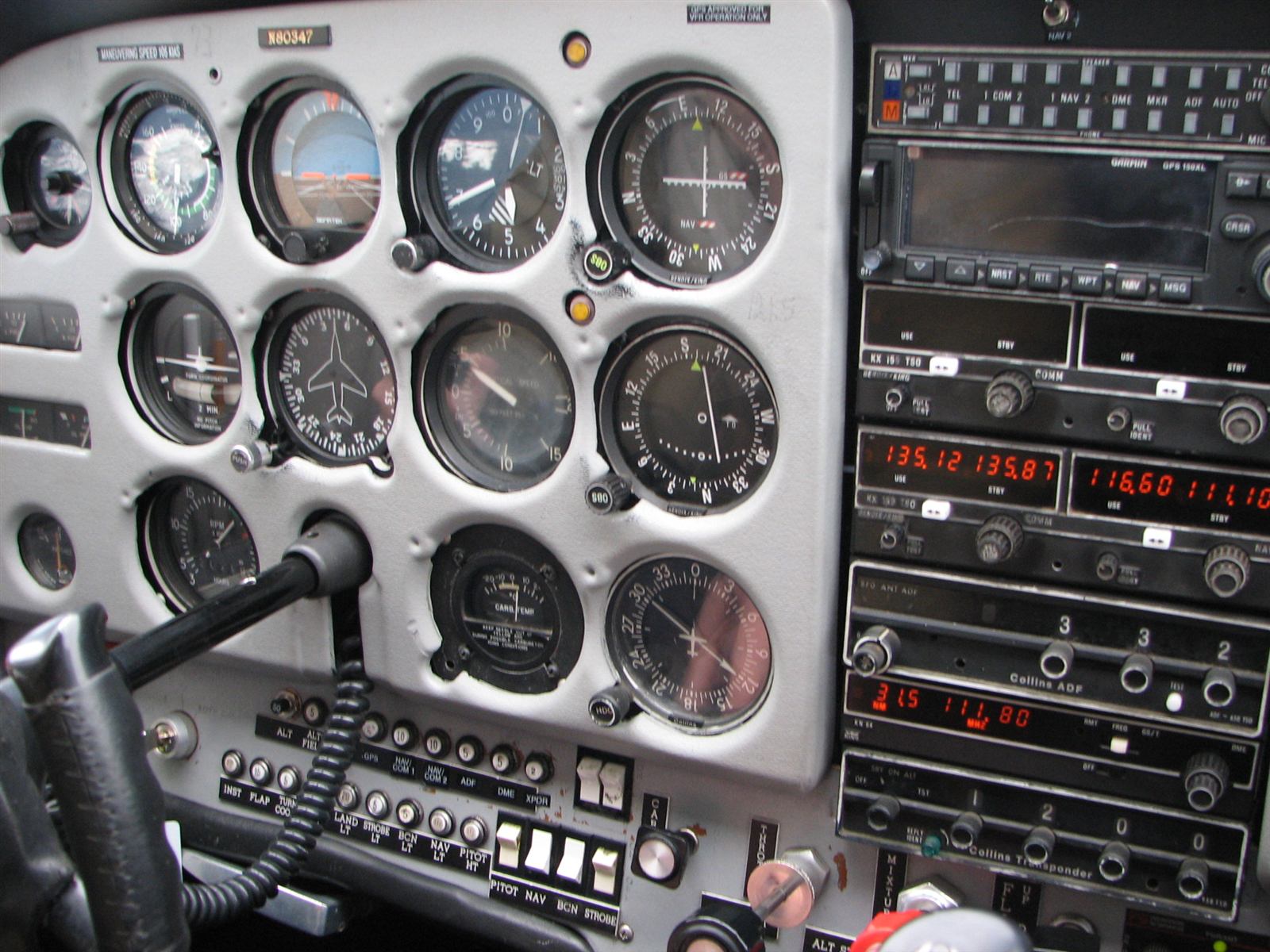
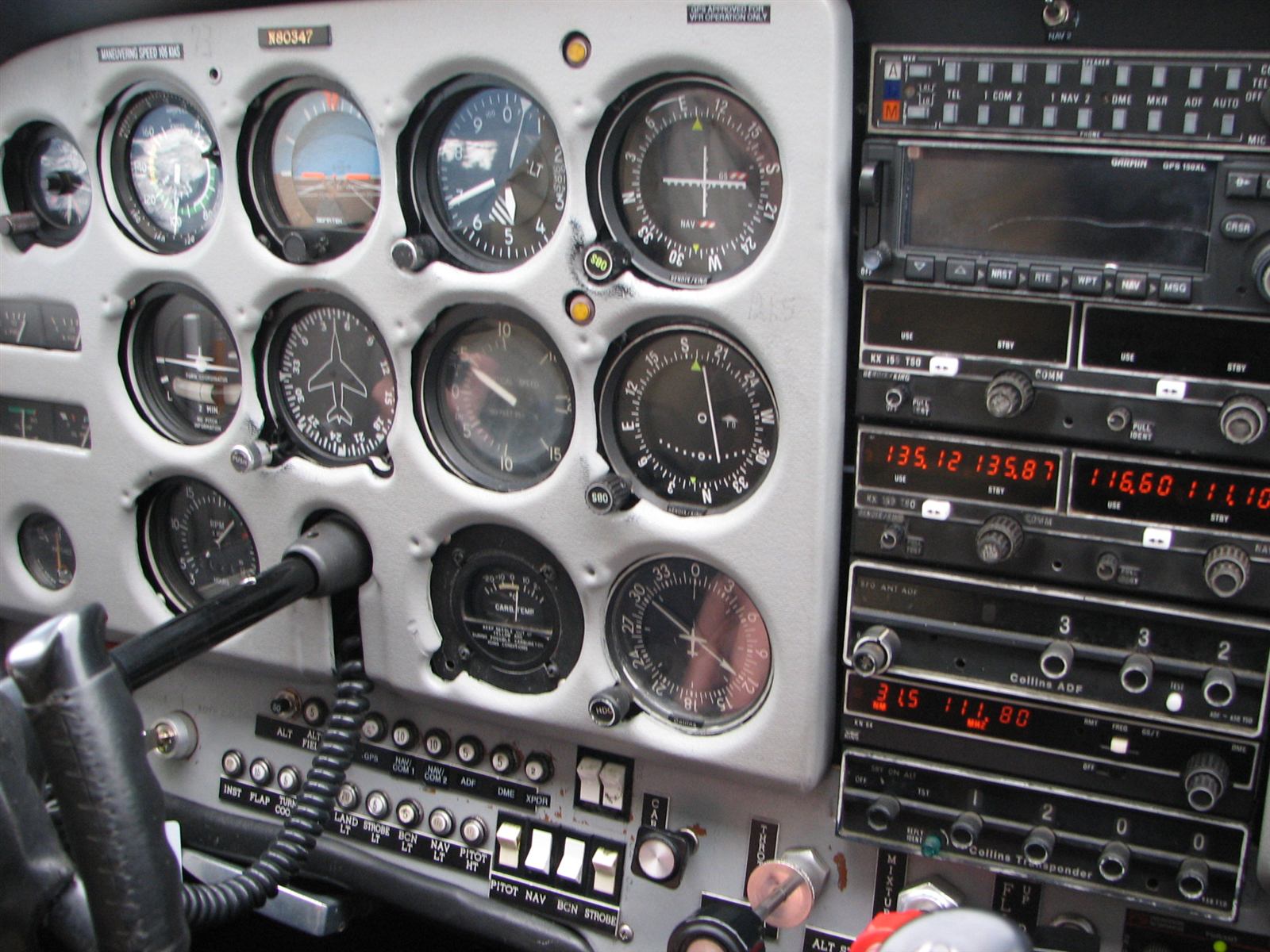
28 August 20269 min readAirline pilots have a first officer to catch what they miss. You have you. Single-Pilot Resource Management is the framework for that, and it looks different in a steam-gauge C172 at Wilson than it does in an American glass-cockpit trainer.
SRMsingle-pilot resource managementaeronautical decision makingworkload managementsituational awarenessKenya
Student pilots
26 August 202610 min readEvery student can recite the MAYDAY call. Almost none has ever practised what happens when the radio itself just dies, no drama, no engine trouble, just silence. Here is what Kenya's Rules of the Air actually require, and why treating it as a crisis is the mistake.
radio failureNORDOlost commslight signalsWilson AirportATCKenya
Student pilots
21 August 202610 min readA giraffe or a buffalo on the runway is not a photo opportunity, it is an uncontrolled aerodrome hazard with no one but you to manage it. Here is the regulation behind wildlife hazard management, what a real strike costs, and the decision threshold instructors rarely teach explicitly.
wildlife hazard managementbush stripsMasai MaraKCAAPAVEanimal strikeKenya
Student pilots
19 August 202610 min readKenyan pilots file carburettor icing under "cold country problem" and move on. The physics does not care about the thermometer, and Nairobi humidity data plus the fleet most schools actually fly say this deserves a line item, not a footnote.
carburettor icingPAVEaircraftenginehuman factorsKenyapreflight
Student pilots
17 August 202610 min readKenyan training culture treats density altitude as a highlands problem. The arid north proves that heat alone does the same job elevation does, and the numbers for Wajir, Garissa and Lodwar show exactly how much margin a hot afternoon actually costs you.
density altitudenorthern KenyaPAVEweatherperformanceWajirGarissaLodwar

Student pilots
14 August 20268 min readKCAA licensed several new flying schools through 2026. More options sounds like good news for a prospective student, but capacity and choice are not the same thing. Here is how to actually evaluate a new entrant.
flight schoolKCAAATOKenyachoosing a schoolPPL
School admin
14 August 20268 min readKCAA requires every Approved Training Organisation to run an independent audit at least once every 12 months. Here is what that audit actually covers, and what an accountable manager should have ready before it happens.
KCAAATOcomplianceauditKenyaflight school administration

Student pilots
14 August 20269 min readThe Aberdare Range sits across almost every routing north of Nairobi. Here is what its terrain and mountain wave actually do to a light aircraft, and the case study every Kenyan pilot should know.
terrain awarenessmountain flyingCFITweatherKenyaKCAA

Instructors
14 August 20269 min readKenyan flying schools are stacking more aircraft types into one fleet than ever. The regulation that lets you fly most of them on one class rating was never built to stop the reflex you bring from the last one.
human factorsflight trainingaircraft typeCFIKenyaKCAA
School admin
13 August 20269 min readMost students who check whether their school is a KCAA-Approved Training Organisation stop there, assuming that single approval covers everything. It does not. Here is the second licence, the Air Service Licence, that a Kenyan flying school also needs, and why the two get confused.
KCAAAir Service LicenceATOflying schoolregulationKenya

Student pilots
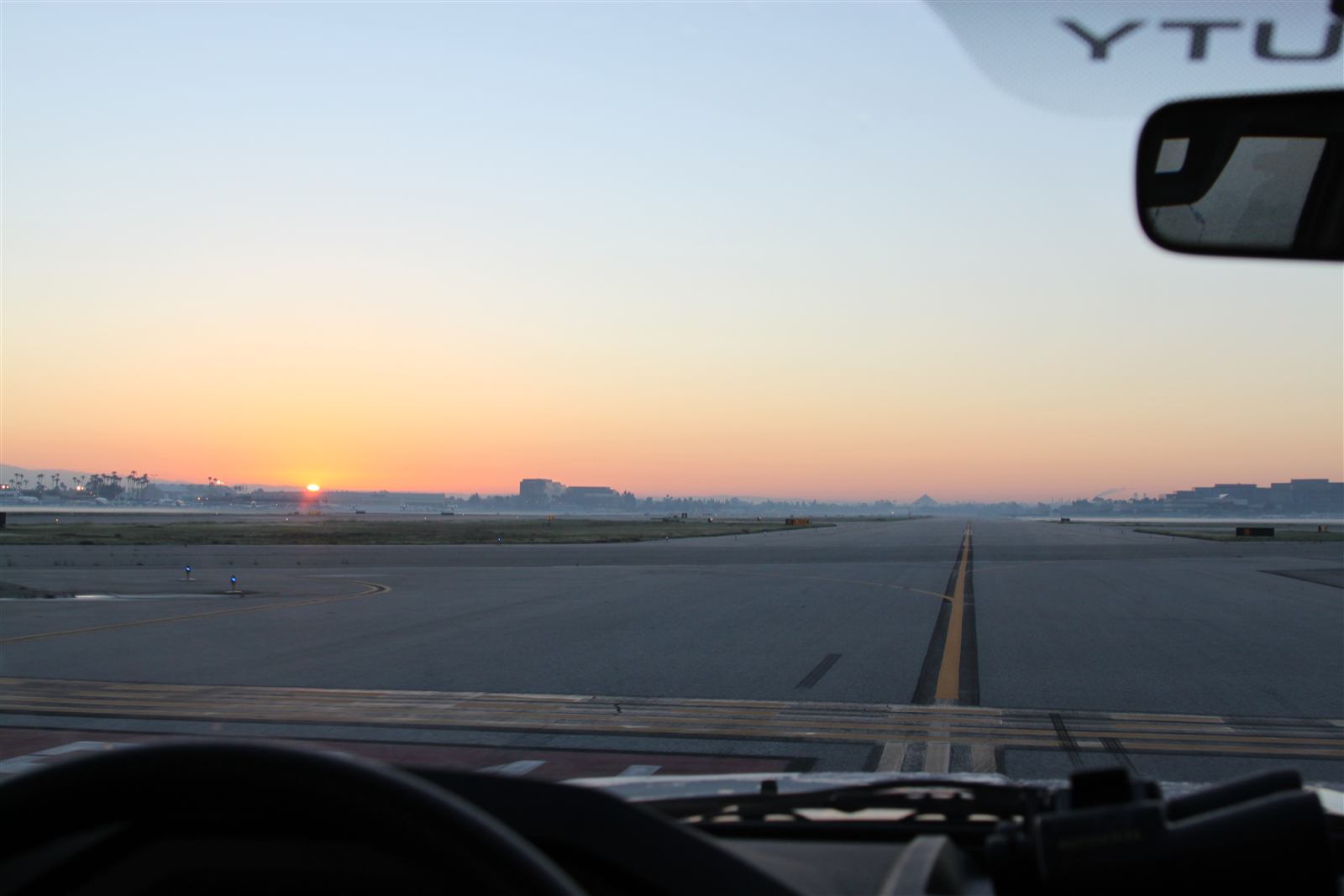
13 August 202610 min readICAO sets a hard three-minute standard for how fast rescue and fire crews must reach an aircraft after an accident. A March 2026 runway excursion at Wilson tested that standard in Kenya, and KCAA admitted it was not met. Here is what the ARFF standard actually requires, and what it means for where you choose to fly.
ARFFICAO Annex 14aerodrome safetyWilson AirportKenya
Student pilots
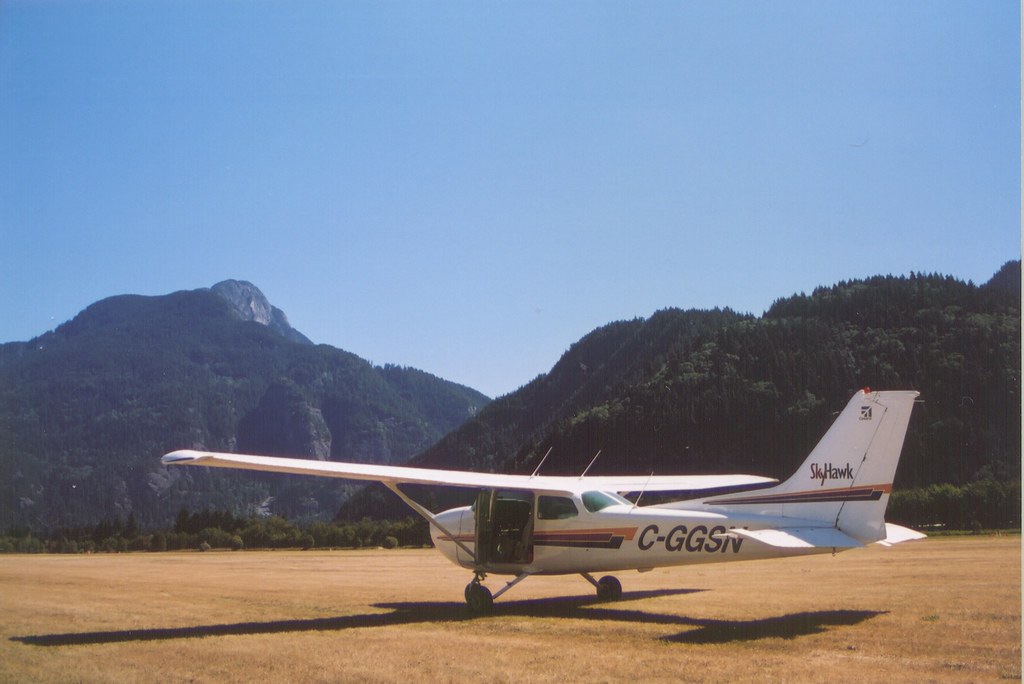
13 August 202610 min readA new KCAA notice raises the altitude floor over Bomas and State House for aircraft arriving at Wilson, and puts the airport's two main runways on daylight-only hours. Here is exactly what changed, why it happened now, and what it means for your next circuit.
Wilson AirportKCAAairspaceapproach proceduresKenya
Student pilots
12 August 20269 min readWeight and balance gets checked. Fuel gets checked. The life jacket in the back and the ELT battery date rarely do. Here is what Kenyan aviation regulations actually require aboard for flights over water and over sparsely populated ground, and why it is not optional gear.
survival equipmentELTKCAAbush stripcoastal flyingPAVEKenya

Student pilots
12 August 20269 min readMost student pilots have never read a line of Kenya's drone regulations, and most never need to. What they do need is the airspace picture those rules actually draw: who else is legally allowed low, close, and quiet in the same sky you fly a circuit in.
UASdronesKCAAairspacesee and avoidKenya

School admin
12 August 20269 min readKCAA is extending Certificate of Airworthiness validity from one year to two, citing an inspector shortage and a growing fleet. Here is why it happened, what it actually changes for a Kenyan flight school, and the one thing it does not change at all.
Certificate of AirworthinessKCAAairworthinessaircraft maintenanceKenya
Student pilots
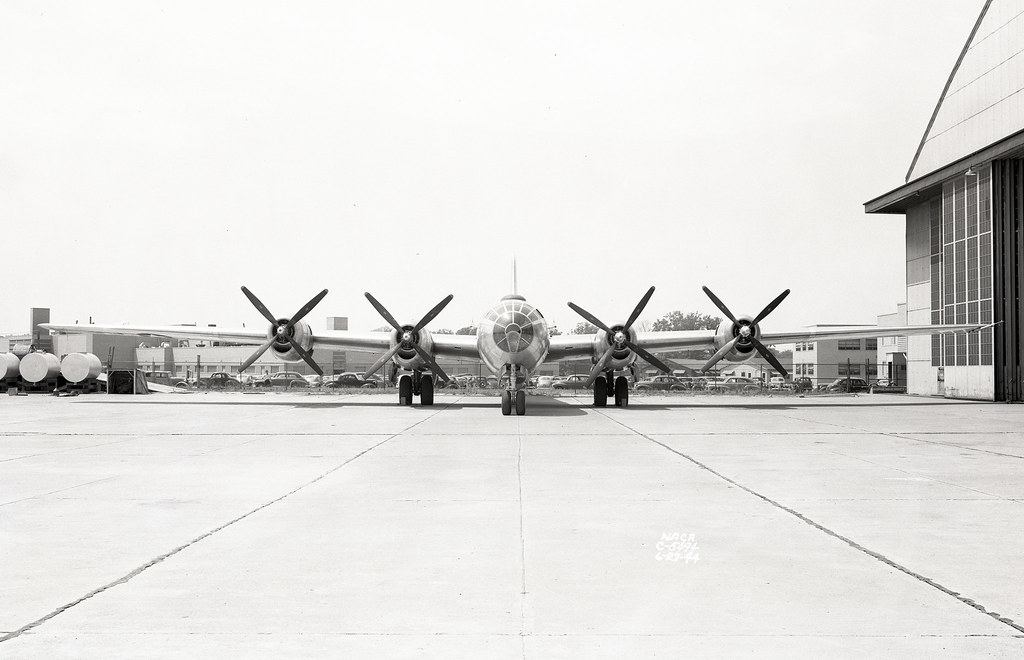
12 August 202610 min readThe engine quitting at 400ft is not what kills most pilots in this scenario. The decision to turn back for the runway is. Here is the maths, the accident data, and why Kenya's high-altitude strips make the wrong call even more tempting.
EFATOengine failureemergency proceduresstall/spindecision-makingKenya
General
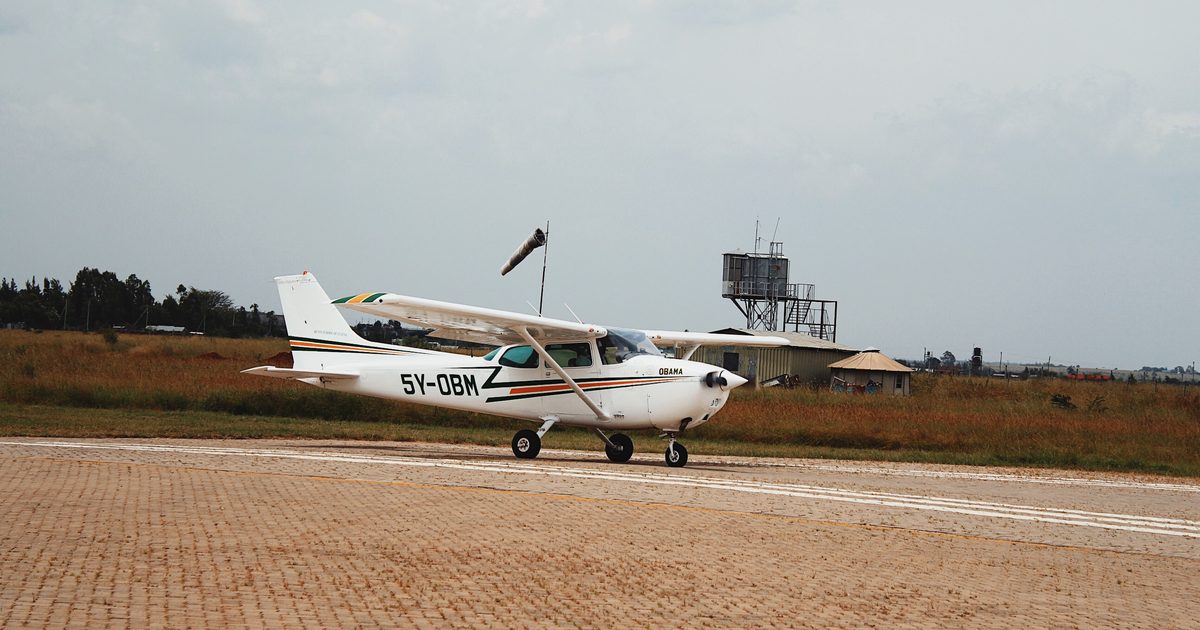
11 August 20269 min readThe Chicago Convention says a licence issued to ICAO standard should be recognised across borders. In practice, East African pilots still hit fresh exams moving between states. Here is the real gap between the treaty and the tarmac, and the regional harmonisation effort trying to close it.
EACCASSOAlicence recognitioncross-borderKenya
Student pilots
11 August 20269 min readA Commercial Pilot Licence in Kenya runs on a 200-hour total, and your PPL hours count toward it. That sounds simple until you plan the medical, the licence pathway, and the categories those hours actually need to include. Here is the real structure behind the number.
CPLcommercial pilot licenceKCAAflight hoursKenya
Student pilots
11 August 20269 min readMost students check the METAR and TAF and stop there. A closed runway, a dead approach light, or a temporary restricted zone lives in the NOTAM, not the weather. Here is what a NOTAM actually is, how the Q-line works, and how to pull one for a Kenyan aerodrome before you fly.
NOTAMKCAAAIMpre-flight planningKenya
Instructors
10 August 20269 min readThe Student Pilot Licence sets the hour minimums. It does not tell an instructor how to judge readiness on the day. Here is the regulatory mechanism, the skills that hours alone do not prove, and the framework serious Kenyan instructors use to make the call.
first solosolo endorsementinstructor judgementKCAAstudent pilot licenceKenya
Student pilots
10 August 20269 min readYou have read the definitions. You have probably never practised the call out loud. Here is the actual ICAO message format, the difference between distress and urgency, and why hesitation on the radio costs more than a wrong word ever will.
MAYDAYPAN-PANradio phraseologyemergency proceduresICAOKenya

Student pilots
10 August 20269 min readKisumu International sits on the shore of the Winam Gulf, and that changes the weather and the wildlife picture completely. Here is what actually catches pilots out on the Nairobi-Kisumu run, with two documented recent incidents to show it is not theoretical.
KisumuHKKILake Victoriabird strikeweathercross-countryKenya
Student pilots
10 August 20269 min readMost Kenyan PPL students tell the school office where they are going and taxi out. A flight plan is a different document with one job: getting the right people looking in the right place, fast. Here is what it actually buys you, and why Kenya's terrain makes skipping it a bad trade.
flight plansearch and rescuePAVEcross-countryKCAAKenya

Student pilots
7 August 202610 min readWeather forecasting gets taught. The moment thirty minutes later, when the escarpment ahead is greyer than the forecast promised, mostly does not. Here is the accident record, the physiology, and the one manoeuvre that actually saves you.
VFR into IMCweatherspatial disorientationdecision-makingPAVEKenya
Instructors
5 August 20269 min readEvery student briefs IMSAFE before a lesson. Nobody briefs the Certified Flight Instructor running lesson six of the day. Here is what the regulations actually limit, what they leave wide open, and what a lean Kenyan flying school should do about it.
CFIfatigueflight instructorflying school operationshuman factorsKenya
Student pilots
3 August 202610 min readWilson Airport's southern boundary is also Nairobi National Park's fence line. Here is the physics, the species, and the accident record behind that geography, and what a PAVE-minded pilot actually does about it.
bird strikewildlife hazardPAVEWilson AirportNairobi National ParkKenya
Student pilots
31 July 202610 min readKenya requires real hours for a night rating: dual instruction, night navigation, five take-offs and landings as PIC. What the syllabus rarely covers is how narrow the equatorial night window is, how the illusions differ over unlit terrain, and why the rating alone may not be the whole story. Confirm every current rule with KCAA before you plan around it.
night ratingKCAAnight flyinghuman factorsflight trainingKenya
Student pilots
29 July 20269 min readPilot, Aircraft, and enVironment get checklists and hard numbers. External pressure gets a shrug, even though the FAA calls managing it the single most important key to risk management. Here is what actually presses on a Kenyan student pilot, named specifically, with a way to answer it before it decides for you.
PAVEexternal pressuresaeronautical decision makingflight trainingKenyarisk management
Student pilots
27 July 20269 min readA perfect PAVE and IMSAFE assessment means nothing if the medical certificate behind it is lapsed or should never have been signed. Here is what KCAA Class 1 and Class 2 medicals actually require, and why the honest conversation with your examiner matters more than the paperwork.
KCAAmedical certificateaeromedicalcomplianceKenyaaviation medicine
Student pilots
24 July 20269 min readStudents learn weight and balance as a classroom sum done before the lesson. Real loads change at the ramp, at the bush strip, and on the last leg home, and that is exactly when the accident happens.
PAVEweight and balanceaircraft performancebush stripsdensity altitudeKenya
Student pilots
22 July 20269 min readYou can meet every recency requirement on paper and still be the weakest link in the cockpit. Here is the difference between currency and proficiency, what the research says about skill decay, and how to run an honest Pilot check in a Kenyan training pattern built for gaps.
PAVEproficiencycurrencyhuman factorsflight trainingKenya

Student pilots
20 July 20268 min readEvery hour you fly with an instructor who is not operating under a KCAA-Approved Training Organisation may not count towards your licence. Here is exactly how to verify a Kenyan flying school before you pay a single shilling.
KCAAATOflying schoolregulationsafety management systemKenya
Student pilots
17 July 20269 min readIllness, alcohol and fatigue only ever point one way: something is wrong. Emotion is the only IMSAFE line that can fail you on a brilliant day too, right after a checkride pass or a first solo, which is exactly why it is the line pilots are least trained to check.
IMSAFEemotionhuman factorsaeronautical decision makinghazardous attitudesflight trainingKenya
Student pilots
15 July 20268 min readIllness is billed as the easy line in IMSAFE, a fast yes or no. It is not, because two different failure modes hide inside one letter: the illness that has not announced itself yet, and the illness you have decided is basically over. Here is what actually grounds you.
IMSAFEillnessmalariaaviation medicinehuman factorsKenya
Student pilots
14 July 20269 min readIllness, alcohol and fatigue leave traces you can measure. Stress does not, so most students wave the S line through without a second thought. Here is what the checklist is actually asking, what it does to your flying brain, and why the Kenyan training week is built to fail it quietly.
IMSAFEstresshuman factorsaeronautical decision makingflight trainingKenya
Student pilots
13 July 20268 min readIllness and fatigue are honest with you eventually. Alcohol lies, because eight hours and a clear head are not automatically the same thing. Here is what the rule actually says, what the hangover science says, and why Kenya's Friday night collides directly with Saturday's dawn slot.
IMSAFEalcoholhuman factorsaviation medicineflight trainingKenya
Student pilots
10 July 20269 min readA dented flap fairing is easy to see on the walkaround. A known discrepancy from three flights ago is not, unless you open the tech log and read it. Here is why the paperwork check matters as much as the paint.
PAVEaircrafttech logairworthinessflight trainingKenya

Student pilots
7 July 20267 min readIllness and alcohol are close to yes/no questions. Medication is the IMSAFE line that hides in plain sight, in a 20-bob packet of Piriton or a malaria course from the chemist. Here is what actually disqualifies you, and for how long.
IMSAFEmedicationaviation medicinemalariahuman factorsKenya
Student pilots
7 July 20267 min readIllness and alcohol are easy yes/no questions. Fatigue is the IMSAFE line pilots lie to themselves about, especially when training around a day job. Here is the science, and a self-check that actually works.
IMSAFEfatiguehuman factorssleepflight trainingKenya

Student pilots
7 July 20267 min readYou briefed the weather, checked the aircraft, and passed your IMSAFE. Then the pressure to just go quietly overrides all of it. Here is how external pressure actually works on a Kenyan student pilot, and how to beat it.
PAVEexternal pressuresget-there-itisdecision makinghuman factorsKenya

Student pilots
4 July 20266 min readDiani, Malindi, Lamu. The coast flies nothing like the highlands. Sea breeze, salt haze, and controlled airspace around Mombasa change the whole picture. Here is how to plan for it.
coastMombasaDianiLamusea breezeKenya
Student pilots
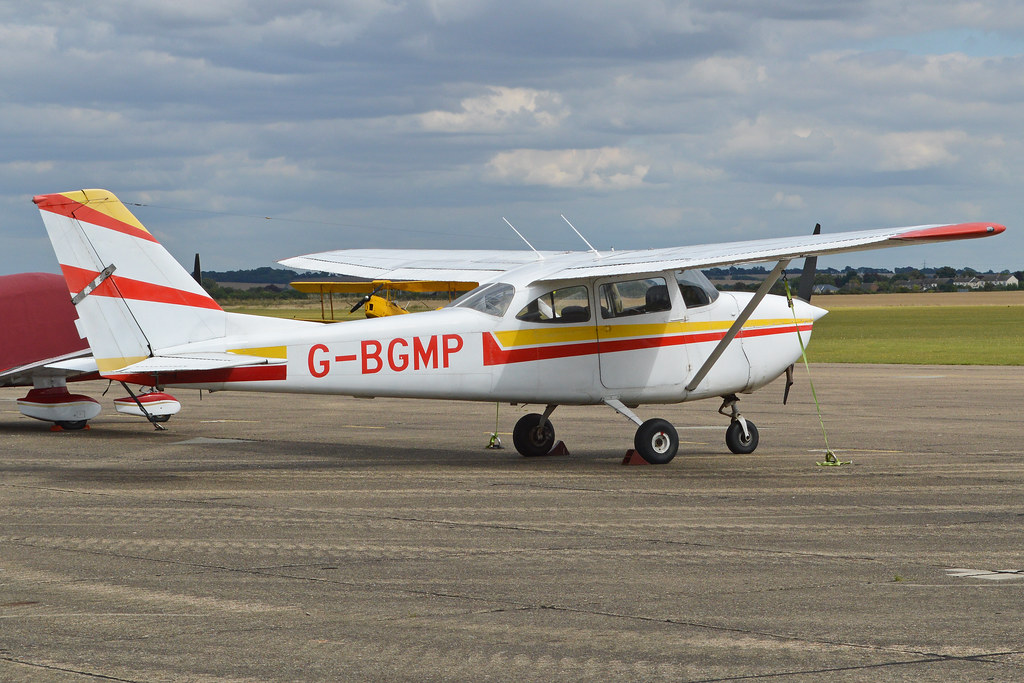
3 July 20266 min readWilson is one of the busiest GA airports in Africa. Most student incidents there happen on the ground, not in the air. Here is how to move around HKNW without becoming a story.
Wilson AirportHKNWground operationsradiotaxiKenya
Student pilots
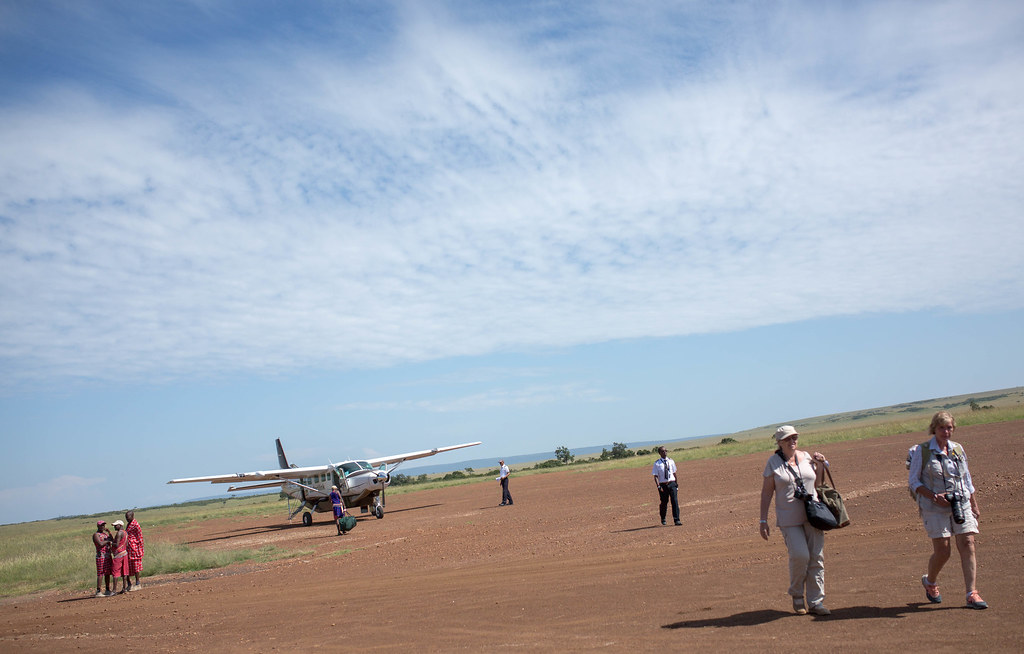
2 July 20267 min readOl Kiombo, Keekorok, Musiara. The Masai Mara strips look simple from the air and punish you on short final. Here is what changes when you leave tarmac for murram in game country.
Masai Marabush stripssafarimurramwildlifeKenya

Instructors
23 June 20268 min readCrosswind landings are one of the highest-variance exercises in the PPL syllabus. A systematic teaching progression, not just repetition, is what moves a student from struggling to consistent.
crosswindinstructorsteaching techniqueCFIflight training

Student pilots
22 June 20268 min readReal fee schedules from nine Wilson Airport and Nanyuki flight schools, the granular breakdown one school publishes, and why two honest sources can disagree by almost a million shillings.
PPL costflight training KenyaKCAAWilson Airportbudget

Student pilots
22 June 20267 min readFuel starvation is preventable. Kenya's avgas supply network is thinner than most student pilots realise. Here is how to plan fuel stops you can rely on, and what to do when the plan fails.
fuel planningavgascross-countryenduranceemergencyKenya

Instructors
22 June 20268 min readEffective feedback after a flight lesson is not a critique session. Research in aviation pedagogy shows that specific, timely, structured debriefs produce measurably better training outcomes than unstructured commentary.
instructorsdebrieffeedbackflight trainingpedagogyCFI

Student pilots
21 June 20267 min readGPS dependency is a known training risk. Kenyan cross-country routes cross terrain where GPS failure leaves pilots disoriented fast. Here is how to stay found using the fundamental skills.
navigationdead reckoningpilotagecross-countryGPS dependency

Student pilots
21 June 20267 min readMore accidents are caused by pressing on with an unstable approach than by any technical failure. The go-around is your most powerful safety tool. Understanding why pilots hesitate to use it is the first step to using it reliably.
go-aroundunstable approachdecision-makingairmanshiplanding

Student pilots
20 June 20268 min readStall-spin accidents in the base-to-final turn are among the most consistently recurring causes of fatal accidents in general aviation worldwide. Understanding the aerodynamics and psychology makes the hazard survivable.
stallspinbase to finalaerodynamicsaccident preventionairmanship

Student pilots
20 June 20269 min readKenya has 28 private, concession, and conservancy airstrips not licensed by KCAA. Flying into them requires local knowledge, performance discipline, and a different risk assessment from anything you learn on a tarmac circuit.
bush stripsoff-airportwildlife stripsKenyaperformanceshort field

Student pilots
19 June 20267 min readThe Great Rift Valley creates some of the most complex low-level turbulence in East Africa. Student pilots flying between Nairobi and the western circuit need to understand what causes it and how to manage it.
turbulenceRift Valleymechanical turbulencethermalsterrainairmanship

Student pilots
18 June 20268 min readKenya's aviation weather network is sparse. Understanding how to build a weather picture from incomplete data, and knowing when the picture is incomplete enough to stay on the ground, is a core Kenya pilot skill.
weathercross-countrymeteorologyKenya weatherVFR decision-making

Student pilots
18 June 20267 min readWilson (HKNW) is one of East Africa's busiest GA aerodromes. Standard ICAO phraseology helps, but the specific local calls, frequencies, and sequence expectations are what most textbooks miss.
radio phraseologyATCWilson AirportHKNWcommunicationsICAO

Student pilots
17 June 20268 min readFrom medical to solo endorsement: every step of the KCAA student pilot licence process in Kenya, with the timelines, costs, and common mistakes to avoid.
KCAAstudent pilot licenceSPLClass 2 medicalflight training Kenya

Student pilots
17 June 20267 min readKenya's highland aerodromes sit at 5,000–8,000 ft above sea level. Density altitude can add 2,000 ft or more to that figure, changing everything from takeoff roll to climb rate.
density altitudeperformancehighland flyingNanyukiCessna 172

Student pilots
22 May 20269 min readWilson Airport (HKNW) is East Africa's busiest general aviation aerodrome. First-time student pilots routinely find it overwhelming. Here is the operational picture the textbooks skip.
Wilson AirportHKNWcircuitATCNairobistudent pilots

Student pilots
18 May 20267 min readIllness, Medication, Stress, Alcohol, Fatigue, Emotion. The IMSAFE checklist takes two minutes to run through and has prevented more accidents than any avionics upgrade. Here is how to use it honestly.
IMSAFEpilot healthfatiguestresspre-flightairmanship

Student pilots
14 May 20268 min readPAVE (Pilot, Aircraft, enVironment, External pressures) is the pre-flight risk framework used worldwide. Here is how to apply each element honestly in a Kenyan flight training context.
PAVEpre-flightrisk assessmentstudent pilotsKCAA

Student pilots
10 May 20267 min readMost student pilots memorise the demonstrated crosswind component but misunderstand what it means on an unpaved strip. Here is what the number actually tells you, and what it leaves out.
crosswindmurram stripsbush flyingairmanship